
All Stories
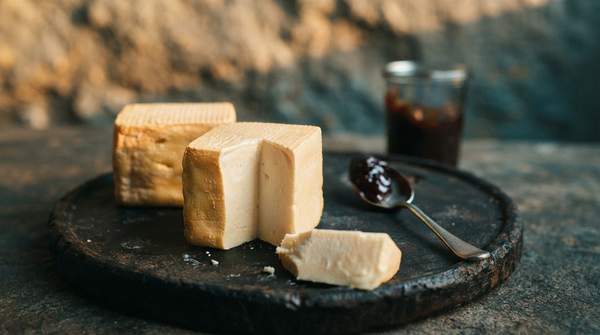
What the PDO Label on European Cheese Actually Means
The PDO (Protected Designation of Origin) label on European cheese signifies a legal promise that every stage of production, processing, and preparation occurs within a specific region using codified traditional methods. This strict EU geographical designation preserves artisanal craft, regional identity, and ensures authenticity and quality.

Getting to Know RÖSTii: The Essentials for Halal-Conscious Diners in Singapore
RÖSTii is a halal eatery in Singapore dedicated to serving artisanal, oven-baked Swiss potato dishes known as röstii. For halal-conscious diners and food enthusiasts seeking innovative culinary experiences, RÖSTii offers…
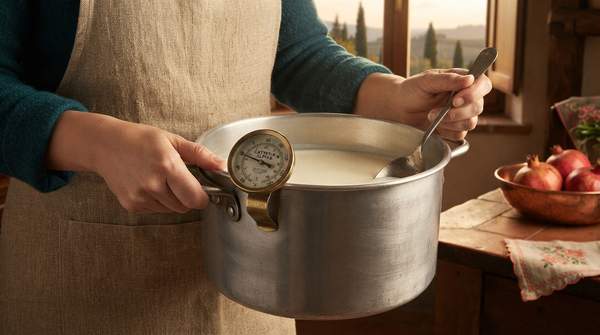
Starting Cheese at Home: The Seven Tools You Need (and the Ones You Can Skip for Now)
Starting cheesemaking at home requires surprisingly few specialized tools, as most beginners already own the essentials like a large non-reactive pot, accurate thermometer, and cheesecloth. This guide helps you identify what you need and what you can skip for now.
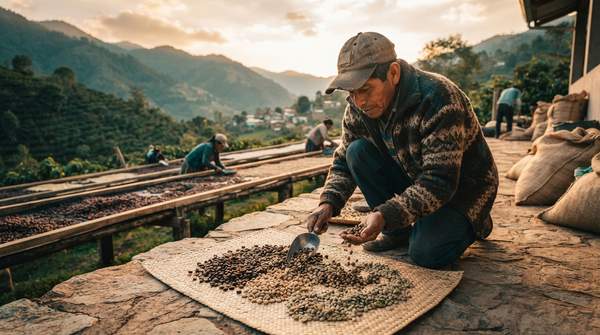
From Cherry to Cup: How Washed, Natural, Honey, and Anaerobic Processing Shape Your Coffee's Flavor
Coffee processing methods like washed, natural, honey, and anaerobic significantly shape a bean's flavor profile by altering mucilage contact and fermentation environments, helping coffee lovers predict what's in their cup.
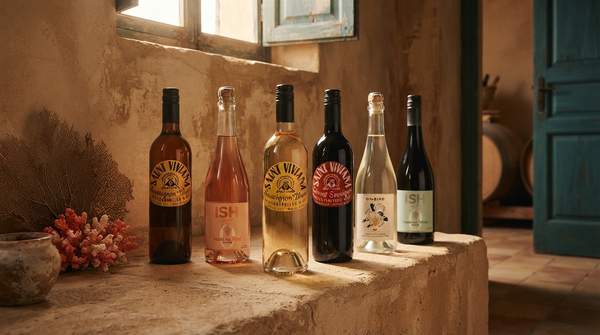
Wine You Remove Alcohol From, Spirits You Build From Scratch: How to Choose Your Zero-Proof Bottle
Non-alcoholic wine is de-alcoholized fermented wine, best for sipping, while non-alcoholic spirits are crafted from botanicals to mimic traditional spirits for mixing in cocktails. Understanding their distinct production methods helps you choose the right zero-proof bottle for your occasion.
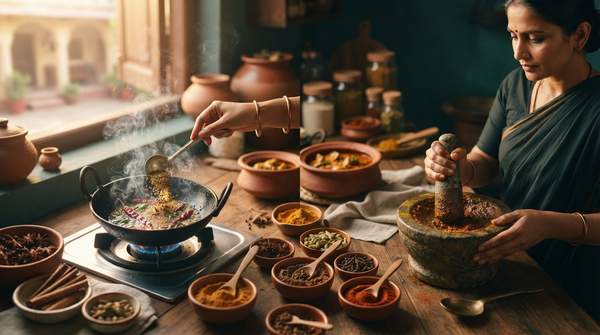
Two Ways Spices Build Curry: Why Tadka and Masala Timing Matter More Than the Spice List
Authentic Indian curry flavor is built not by individual spices, but by the timing and method of their application. This article explores the two fundamental techniques: tadka, the tempering of whole spices in hot fat, and masalas, the deliberate blending of ground spices, explaining why their distinct roles and timings are crucial for layered taste.

How Boncook Helps Home Cooks Build a Better-Equipped Kitchen
Boncook provides an e-commerce boutique for home cooks to find practical, dependable tools and bakeware, focusing on quality essentials rather than specialized gadgets. Its selection aims to make everyday meal preparation and baking more convenient and organized.
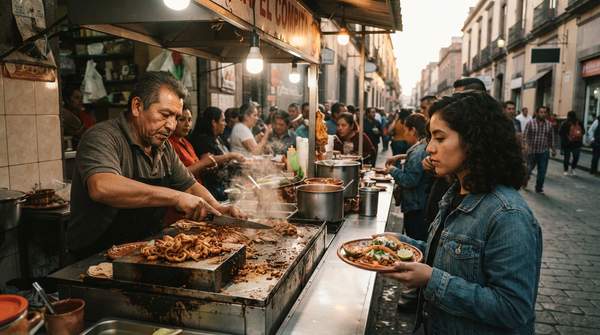
Tacos or Tripa? Choosing Between Tourist-Friendly and Local Mexico City Street Food
Mexico City offers two distinct street food experiences: familiar fillings in tourist zones or adventurous whole-animal preparations in local neighborhoods. Your choice depends on your comfort level with unfamiliar cuts and local culture.
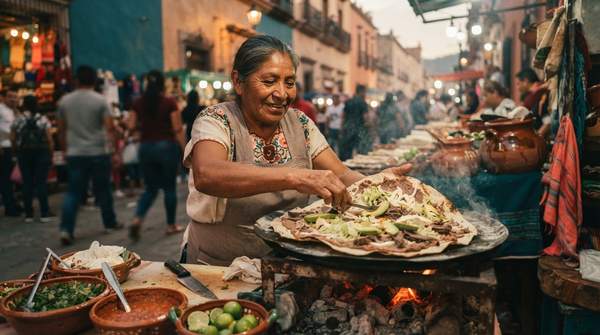
Beyond Tacos: A Regional Map of Mexico's Street Food, From Oaxaca's Tlayudas to Morelos' "Battleship Taco"
Explore the rich regional diversity of Mexico's street food, from Oaxaca's tlayudas to Morelos' "battleship taco," driven by local agriculture, climate, Indigenous cultures, and history.
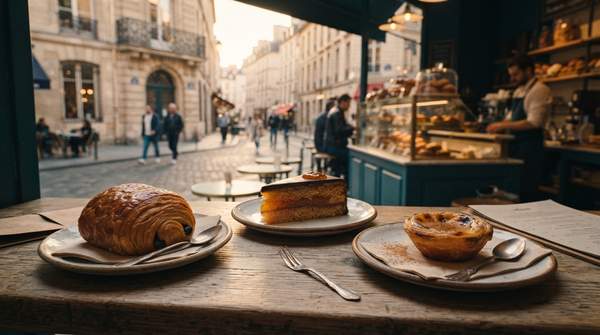
Paris, Vienna, or Lisbon? Choosing Europe's Best Patisserie City for Your Next Sweet Escape
Planning a European dessert trip? Compare the distinct patisserie cultures of Paris, Vienna, and Lisbon. Discover which city best suits your sweet escape, from French laminated doughs to Viennese imperial cakes and Portuguese egg custards.
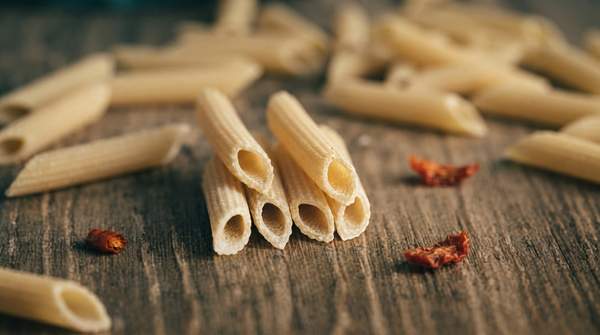
Bronze Dies vs. Teflon Dies: The Manufacturing Choice That Decides How Your Pasta Holds Sauce
The material of the pasta die, bronze or Teflon, dictates the pasta's surface texture and its ability to hold sauce. Understanding this difference helps you choose the right pasta for your sauce, with bronze dies ideal for hearty sauces and Teflon for lighter ones.

Wake Up Sis Coffee Roasters Mushroom Coffee for Women Who Make Decisions Before Noon
For women who move with purpose, the morning ritual is non-negotiable. Wake Up Sis Coffee Roasters offers a unique solution with its functional mushroom coffee, designed to provide steady, focused energy without the jitt…
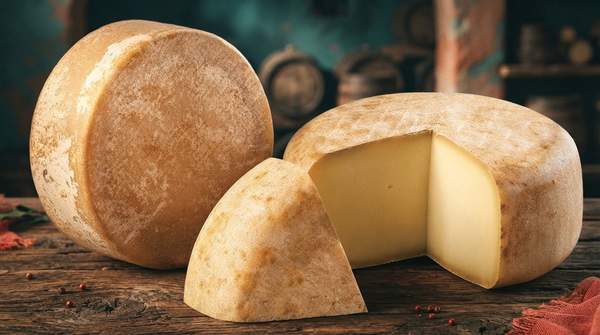
Two Microbial Paths: How Lactic and Microbial Aging Create the Cheeses You Love
Artisanal cheese aging follows two primary microbial paths: lactic aging, driven by bacteria converting milk sugar to acid for creamy fresh cheeses, and microbial aging, where bacteria, yeasts, and molds break down proteins and fats for complex flavors in blues and washed-rinds.
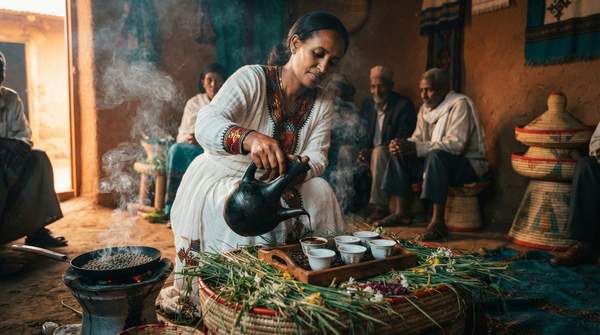
Buna Tetu: The Three Rounds and Sacred Steps of the Ethiopian Coffee Ceremony
The Ethiopian coffee ceremony, or buna tetu, is a daily ritual transforming green beans into a shared social event through three phases: preparation, brewing, and serving. This immersive experience, led by a hostess, emphasizes community, hospitality, and the importance of face-to-face interaction over efficiency.
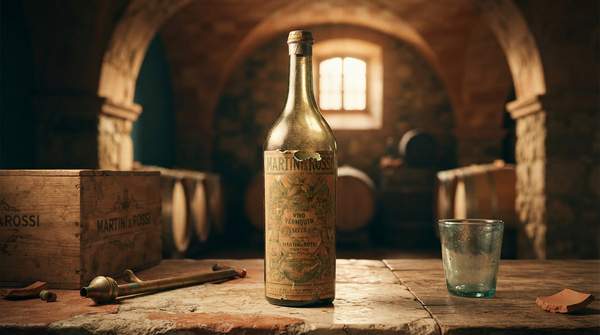
French, Italian, or Spanish? Choosing the Right Vermouth for Your Glass
Discover the distinct characteristics of French, Italian, and Spanish vermouth styles. Learn how to choose the right vermouth for your cocktails or enjoy it as a standalone aperitif.

Jebena, V60, or Phin: How Ethiopia, Japan, and Vietnam Turn Coffee Into Culture
Discover how Ethiopian, Japanese, and Vietnamese coffee traditions, using the Jebena, V60, and Phin respectively, transform coffee into unique cultural experiences reflecting hospitality, precision, and leisure.

Avoid Soggy Noodles: Why BASTA. Pasteria is the Smart Choice for Pasta Delivery in South Jordan
BASTA. Pasteria in South Jordan offers a solution to soggy delivery pasta, providing handcrafted, fresh pasta and slow-simmered sauces in a fast-casual model perfect for modern diners.

From Ranching Pits to Culinary Icon: How Four Cultures Shaped Texas Barbecue
Texas barbecue is not a single entity but a rich tapestry woven from four distinct regional styles—Central, East, West, and South—each shaped by unique cultural influences and culinary traditions.
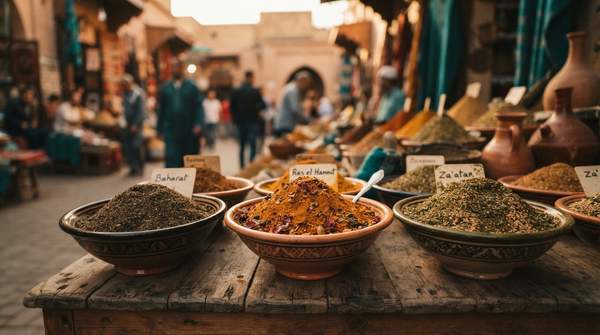
Baharat, Ras el Hanout, or Za'atar? A Home Cook's Guide to the Middle East's Essential Spice Blends
This guide compares three essential Middle Eastern spice blends: Baharat, Ras el Hanout, and Za'atar. Learn their unique ingredients, flavor profiles, and best culinary uses to confidently season your dishes.

A Home Brewer's Guide to Global Coffee: From Ethiopian Florals to Sumatran Spice
Discover how coffee's origin, terroir, and processing methods shape its unique flavor profiles, from bright African florals to bold Sumatran spice. This guide empowers home brewers to select beans that perfectly match their palate.
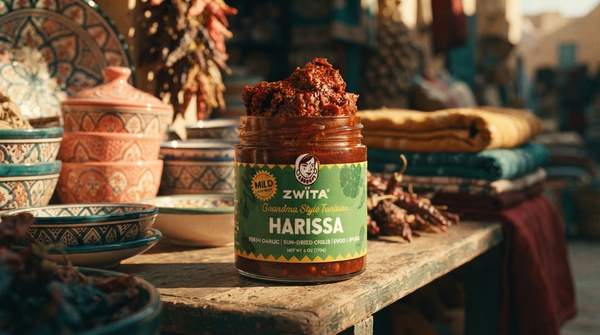
From Pounded Porridge to UNESCO Fame: How Harissa Became Tunisia's Signature Condiment
Harissa is a quintessential Tunisian invention, a fiery red paste originating from the Cape Bon Peninsula. In 2022, UNESCO recognized the knowledge, skills, and social practices surrounding harissa as Intangible Cultural Heritage, solidifying its status as Tunisia's signature condiment.

Everything Coffee Lovers With Sensitive Stomachs Should Know About Tylers Coffees
Tylers Coffees is a coffee brand that produces acid-free coffee using USDA Organic Arabica beans, designed specifically for individuals with sensitive stomachs. For many, a morning cup of coffee is a non-negotiable ritua…
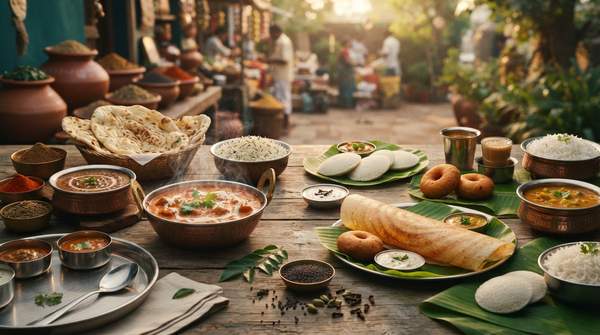
North vs. South Indian Food: What Actually Separates the Two Great Cuisines
Explore the fundamental differences between North and South Indian cuisines, moving beyond the generic term "curry" to understand their distinct ingredients, flavor profiles, and staple grains.
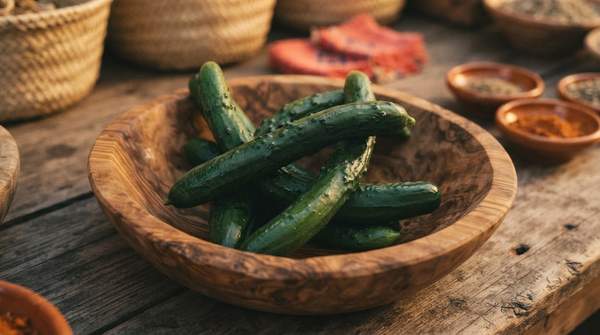
Quick Salt Pickles or Fermented Tsukemono? How to Choose Your Method and Make Shiozuke Tonight
Japanese tsukemono offers two paths: quick salt pickles (shiozuke) for same-day enjoyment and complex fermented pickles for deeper flavors. Learn how to choose your method and make simple salt pickles tonight.