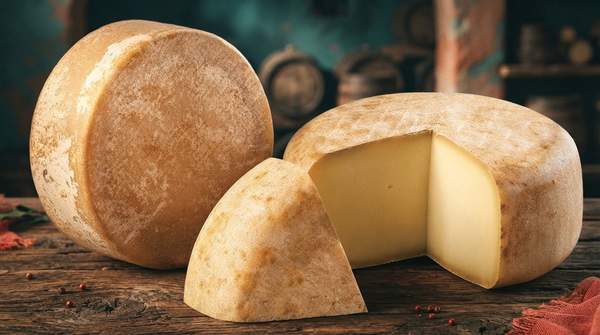
Every wheel of artisanal cheese is a slow negotiation between milk and microbes. The fresh goat cheese you spread on warm bread and the pungent Époisses that perfumes a whole room come from the same raw material — what separates them is which microorganisms take the lead during aging, and what they eat. Lactic aging, driven by bacteria converting milk sugar into acid, gives us creamy, delicate fresh cheeses. Microbial aging, a collaboration of bacteria, yeasts, and molds breaking down proteins and fats, gives us blues and washed-rinds. Learn to spot which pathway a cheese followed, and its texture, rind, and aroma stop being mysteries and start being readable science.
The Living Science of Artisanal Cheese Aging
I like to think of a young cheese as a landscape waiting to be colonized. A scientific review by Zheng, Shi, and Wang, published in Frontiers in Microbiology in 2021, puts it plainly: cheeses vary widely in color, aroma, texture, flavor, and firmness, and those differences are generally attributable to production technology, milk source, moisture content, aging length, and — crucially — the presence of specific molds, yeasts, and bacteria. The microbes are not contamination. They are the workforce.
What that workforce actually does is biochemistry. Some microbes ferment, converting lactose into lactic acid. Others digest proteins and fats, a process the review describes through proteolytic and lipolytic activity. Each metabolic act leaves behind compounds that register on our senses as creaminess, sharpness, or that unmistakable barnyard tang of a washed rind. The cheesemaker's craft, as the French fromagerie Germain describes it, is largely the craft of managing which microbes get to work, and for how long.
Two Paths to Flavor: Lactic vs. Microbial Aging
Germain's cheesemaking explanation divides aging into two fundamental routes, and the distinction is worth memorizing. Lactic aging is the star of goat cheeses and fresh cheeses: lactic ferments convert lactose into lactic acid, and this gradual acidification creates the creamy textures beneath the rind. These cheeses generally develop a thin, often bloomy rind and mature from the inside out.
Microbial aging is the other path, and here microorganisms take the lead in force. Bacteria, yeasts, and molds work together to create strong-flavored cheeses — blue-veined varieties like Roquefort and Bleu d'Auvergne, or washed-rind cheeses like Munster and Époisses. Instead of one acidification event, you get a sustained campaign of protein and fat breakdown that builds complexity over weeks or months. The table below maps the two pathways side by side.