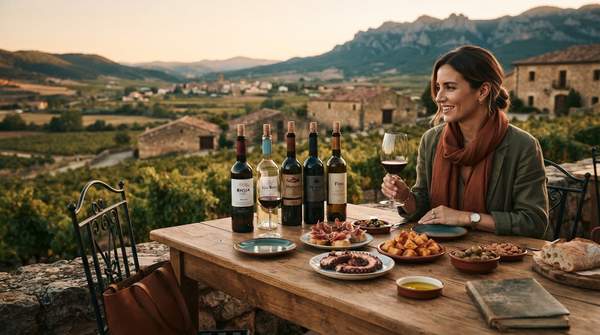
Spain’s diverse climate and geography have cultivated a vast array of wine regions, each offering a unique combination of signature grapes, culinary traditions, and travel experiences. For the traveler looking to plan a trip centered on food and wine, the sheer variety can be overwhelming. Choosing a destination is not just about picking a wine, but about selecting an entire sensory itinerary. Whether your palate leans toward classic, oak-aged reds, crisp Atlantic whites, powerful, mineral-driven vintages, or the unique world of fortified wines, a region in Spain is ready to match your preferences.
By comparing the distinct characteristics of four of the country's most emblematic wine destinations—Rioja, Rías Baixas, Priorat, and Jerez—travelers can identify the region that best aligns with their tastes and logistical priorities, ensuring a more focused and rewarding journey.
Spanish Wine Regions at a Glance: Choose Your Culinary Journey
This comparison provides a framework for deciding where to focus your travels. Each region presents a different character, from its dominant wine styles and local gastronomy to the practicalities of getting around its wineries and towns.
| Region | Signature Grapes & Wine Styles | Primary Culinary Focus | Travel Logistics (Best Base & Access) |
|---|---|---|---|
| Rioja | Known for classic, Tempranillo-based red wines, often with significant oak aging, as well as some white Rioja. | A hub for traditional Spanish gastronomy, with dishes that pair well with its structured red wines. | Base: Haro or Laguardia. Wineries are accessible via a chauffeured transfer, approximately 1 to 1.5 hours from Bilbao. |
| Rías Baixas | Celebrated for its crisp, saline, Albariño-led white wines, reflecting its Atlantic coastal influence. | Heavily focused on fresh seafood, perfectly complementing the region's mineral-driven white wines. | Base: Cambados or Santiago de Compostela. A chauffeur is recommended between wine areas, with Cambados about 45-60 minutes from Santiago. |
| Priorat | Produces powerful, concentrated, and mineral-rich red wines from old-vine Garnacha and Cariñena grapes grown on dramatic slate terraces. | Catalan cuisine with robust dishes designed to stand up to the intensity of the local red wines. | Base: Gratallops or Falset. A chauffeur is recommended for the region’s winding roads, located about 2 to 2.5 hours from Barcelona. |
| Jerez | The heart of the "sherry triangle," this region is unique for its fortified wines made from Palomino, Pedro Ximénez, and Moscatel grapes. | Andalusian cuisine, including a vibrant tapas culture that pairs exceptionally well with the diverse styles of sherry. | Base: Jerez de la Frontera. The city is about 1 to 1.25 hours from Seville by chauffeured transfer and is also served by direct trains. |
Practical Tips for Your Spanish Food and Wine Journey
Once you’ve identified a region, planning the logistics is the next step. A successful culinary trip in Spain involves understanding local customs, transportation needs, and the best way to approach your winery visits.
Transportation and Tours
Many of Spain’s most compelling wineries are rural estates not easily reached by public transport. For travelers who want to fully engage in tastings, a driver is often a practical necessity. According to the travel company Northern Spain Travel, a driver-guide is "often necessary if you want to combine rural estates with proper tastings." This is particularly true in regions with challenging terrain. For instance, the travel agency Cellar Tours specifically recommends a chauffeur for navigating the winding roads of Priorat.
When structuring your days, consider a private, tasting-focused tour. This format allows for a deeper dive with a sommelier or producer who can guide you through a comparative flight of wines and explain production decisions without the need to spend the entire day moving between different locations.
Embracing the Local Pace
A rewarding trip often prioritizes depth over volume. Rather than racing through numerous tasting rooms, focusing on fewer, more meaningful encounters can create a more memorable experience. As Northern Spain Travel advises, "The most rewarding Northern Spain journeys usually allow three or four meaningful experiences across a day, not a race through every available tasting room." Building an itinerary around a couple of key wine and culinary experiences allows the space for them to be fully appreciated.
Navigating Spanish Dining Customs
Understanding the rhythm of dining in Spain is essential for any food-focused traveler. According to guidance from Go Ahead Tours, meals follow a later schedule than many visitors expect. Lunch is the main event, typically served between 2 p.m. and 4 p.m., while dinner service rarely begins before 9 p.m. Spanish meals are also inherently social and communal, with dishes often served family-style for sharing.
When dining out, be aware of a few local customs. Go Ahead Tours notes that a basket of bread may be brought to your table without being requested and could appear on the bill as a small cubierto, or cover charge, of one to three euros per person. Tipping is not generally expected, as service is typically included in the price, though rounding up the bill for good service is always appreciated.
Making Your Choice: A Personalized Spanish Wine Itinerary
Travelers should select their primary Spanish wine region based on a clear alignment of their preferences for wine style, culinary focus, and desired travel logistics. The ideal destination is one where the signature wines excite your palate, the local food culture appeals to your tastes, and the travel style fits your pace. For lovers of classic, elegant red wines and established gastronomy, Rioja is a natural fit. Those seeking crisp, aromatic white wines paired with fresh seafood will find their perfect match in the coastal Rías Baixas region. If your preference is for powerful, complex, and mineral-driven reds from dramatic landscapes, Priorat offers an unforgettable experience. And for the adventurous palate eager to explore the unique world of fortified wines, the historic bodegas of Jerez await.
A traveler successfully identifies a primary wine region that aligns with their specific tastes and planning priorities, leading to a focused itinerary. By using these distinctions as a guide, you can move from general interest to a concrete plan, crafting a journey that is not just a vacation, but a true culinary exploration.
Sources
- Spain wine regions. Maps, wines, itineraries and grapes — Winetourismspain
- Ultimate food and wine guide of Spain — Goaheadtours
- Food and Wine Tours in Northern Spain: A Bespoke Guide - Northern Spain Travel — Northern Spain Travel -
- Best Wine Regions in Spain — Cellar Tours