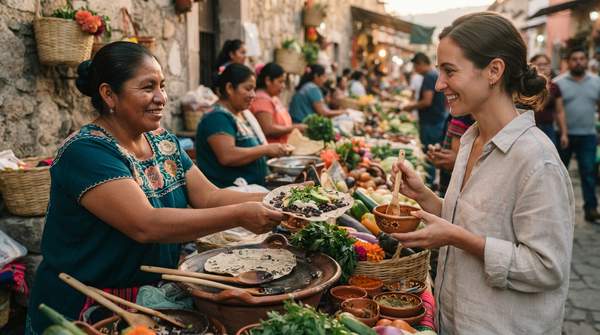
Planning a culinary trip that is both delicious and responsible requires looking beyond restaurant reviews and focusing on a deeper set of principles. A sustainable culinary journey prioritizes experiences that support local economies, minimize environmental impact, and offer genuine cultural immersion. This approach transforms a simple vacation into a meaningful exchange, connecting travelers directly with the people, land, and heritage behind the food they enjoy.
Pillars of Sustainable Culinary Experiences
Truly sustainable food tourism rests on three core ideas. The first is supporting local communities. This means choosing to spend money at locally owned restaurants and with tour operators who have established fair partnerships with local businesses and artisans. By participating in community-based tours and activities, travelers ensure their economic contribution directly benefits the people who live in the destination, helping to preserve their way of life.
The second pillar is environmental consciousness. The food service industry has a significant environmental footprint, largely from energy and water consumption, according to an expert cited by Icelandair. Sustainable choices counteract this by favoring farm-to-table experiences that connect consumers with local producers and ingredients. Some accommodations also contribute by embracing a circular economy, which involves repurposing materials, sourcing locally, and reducing waste. These practices not only protect the environment but also enhance the cultural authenticity of the experience.
Finally, cultural authenticity is paramount. As globalization makes many travel experiences feel generic, travelers increasingly seek a genuine connection to what makes a destination unique. Sustainable food tourism provides this by allowing visitors to engage with a region's heritage through its traditional cooking methods and native products. It’s about finding the meals that feel like a window into a city’s soul, rather than settling for polished imitations.
Sustainable Culinary Travel Decision Framework
To translate these principles into action, travelers can use a decision framework to evaluate potential restaurants, tours, and accommodations. This tool helps assess whether an experience aligns with the goals of supporting local economies, minimizing environmental harm, and engaging in authentic cultural exchange.
| Experience Type | Support for Local Economy | Environmental Impact | Cultural Authenticity |
|---|---|---|---|
| Restaurants & Dining | Prioritize locally owned establishments over international chains to keep money within the community. | Consider the restaurant's approach to waste, water, and energy consumption. | Seek out places offering traditional recipes that reflect the local culinary heritage, providing a genuine taste of the destination's culture. |
| Food Tours & Cooking Classes | Opt for tours and classes guided by local chefs or community members who partner with local businesses, ensuring tourism benefits are distributed directly. | Select experiences that emphasize farm-to-table practices and educate participants on sustainable food systems, which promotes awareness and reduces the food's carbon footprint. | Choose chef-led or community-based experiences that offer deep immersion into local food culture. Authentic experiences provide meaningful engagement beyond superficial interactions. |
| Accommodations | Choose hotels or homestays that source locally for their operations and engage in community-based activities. This contributes to the local economy beyond just lodging. | Look for accommodations that embrace the circular economy by repurposing materials, reducing waste, and promoting responsible water and energy usage. These practices minimize the environmental footprint of the stay. | Select places that enhance cultural authenticity, such as those participating in community-led tourism initiatives like homestays. |
Identifying Authentic vs. Tourist-Trap Experiences
A common pitfall in food travel is the gap between the expectation of an immersive meal and the reality of eating in a generic, tourist-facing spot. According to The Chef's Tours, this disappointment often comes from choosing the wrong kind of experience. Distinguishing between genuine and superficial options is key to a rewarding journey.
Authentic culinary travel connects you with regional cuisine through local guides who know where the real stories are. These experiences are often chef-led and prioritize deep cultural insight. They value community impact over prestige, seeking to empower local communities rather than focusing solely on status or online reviews. An authentic farm-to-table experience, for example, allows a traveler to connect directly with a region's heritage through its local farming practices and traditional cooking methods.
In contrast, superficial or "tourist-trap" experiences often lack a meaningful connection to the local culture. They may be polished imitations designed for mass tourism, offering food and interactions that could exist anywhere in the world. A key red flag is a focus on prestige or fame over genuine community engagement. When planning, it is crucial to research thoroughly and prioritize tours and classes guided by local chefs for a more profound understanding of the food and its cultural context.
Practical Tips for Planning Your Itinerary
When building your culinary itinerary, start by researching tour operators and travel agencies that explicitly mention partnerships with local communities and responsible tourism practices. Look for commitments to fair wages, community development, and cultural preservation. According to guidance from The Chef's Tours, it's important to verify the credentials of guides, inquire about dietary options, and confirm group sizes before booking to ensure the experience matches your expectations.
When selecting where to eat, go beyond the most popular spots and seek out locally owned restaurants. This simple choice helps ensure that your spending supports local entrepreneurs and families directly. For accommodations, look for hotels and guesthouses that are transparent about their sustainability practices, such as their efforts in waste reduction and responsible energy use. Community-led initiatives, such as homestays, can also offer a powerful way to benefit a community while gaining a deeper cultural understanding.
Making Informed Choices for Impactful Culinary Journeys
By moving beyond passive consumption and actively engaging with the origins of your food, you can create a more memorable and impactful journey. Travelers should actively apply the sustainable culinary travel framework to select experiences that genuinely benefit local communities and the environment. The goal is to make conscious choices that align with the principles of economic support, environmental stewardship, and cultural respect.
The success of this approach can be seen in tangible outcomes. A well-planned sustainable trip results in increased engagement with local food producers, reduced food waste during travel, and positive feedback from local communities regarding tourism impact. Ultimately, this thoughtful approach to culinary travel enriches the experience for the visitor while contributing to the resilience and well-being of the destination.
Sources
- Sustainable Food Tourism: Best Farm-to-Table Eco-friendly Travel Guide — RRhasija
- How to plan immersive culinary travel in 5 steps — The Chef’s Tours
- Sustainable Travel: Explore Eco-Friendly Tourism Options — York College of Pennsylvania
- Explore Eco-Conscious Travel Tips for Responsible Tourism — Guardian Storage | Self Storage Locations in Pennsylvania, Colorado, West Virginia
- How to dine sustainably when travelling — GOOD TRAVEL