To replace the pungent flavors of onion and garlic, Jain cooks often turn to asafoetida, a gum extract from a giant fennel variety. This aromatic resin, known as hing in Hindi, provides a similar savory depth without violating the strict dietary principles of Jainism, which forbid consuming root vegetables and certain alliums. Its integration into daily cooking exemplifies a long-standing tradition of culinary adaptation.
Many staple ingredients are forbidden in Jain cuisine, yet it consistently achieves rich and complex flavors. A culinary ingenuity born from profound ethical commitments is highlighted by this apparent paradox.
Understanding Jain culinary practices reveals a profound connection between ethical principles and innovative food preparation, suggesting that dietary restrictions can be a catalyst for culinary evolution.
Ingenuity in the Jain Kitchen: Beyond the Forbidden
In Jain cooking, the principle of ahimsa, or non-violence, profoundly shapes dietary laws. This ethical framework extends to microscopic life, influencing every ingredient choice. Jains avoid root vegetables like potatoes, onions, and garlic because their harvesting can harm small organisms in the soil; the plant itself is considered a whole life form. Even ginger and turmeric are typically avoided due to the destruction of microorganisms during uprooting, according to Ingredicheck App. To replace the pungent flavors of onion and garlic, Jain cooks often use asafoetida, a gum extract from a giant fennel variety, known as hing, as reported by the BBC. Culinary innovation thrives not despite, but because of severe constraints, forcing a creative re-evaluation of flavor building while upholding a deep commitment to avoiding harm, as demonstrated by this deliberate substitution.
Seasonal Adaptations and Hidden Life
During chaturmaas, a four-month period from June to October, Jains adopt additional dietary restrictions, including avoiding green leafy vegetables. This practice stems from concerns about heightened micro-organism and insect presence during the monsoon, as detailed by the BBC. The profound commitment to minimizing harm, even to unseen organisms, is illustrated by such seasonal restrictions. This dynamic challenge requires cooks to adapt their entire repertoire for significant portions of the year, pushing the boundaries of ingredient versatility. It reveals that for Jains, non-violence is not a superficial dietary choice, but a deeply ingrained ethical framework shaping daily life and culinary practice.
Beyond Root Vegetables: A World of Flavor
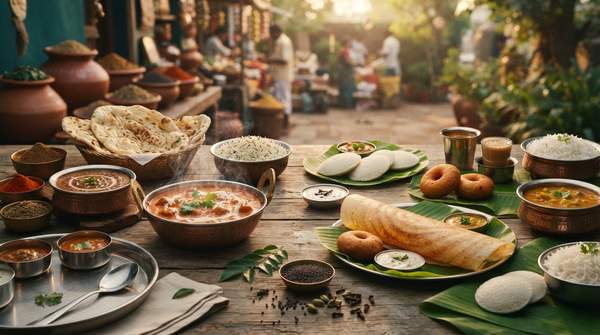
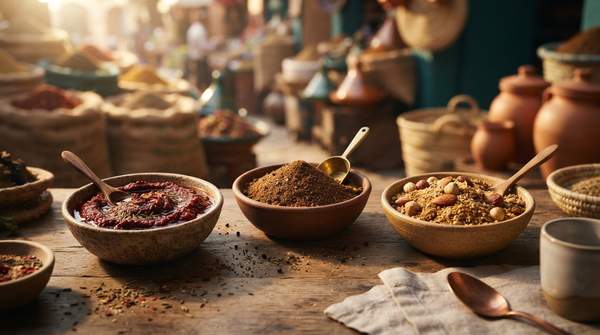
Jain cuisine, despite its restrictions, creates a vibrant palette of flavors by focusing on a diverse array of above-ground vegetables, fruits, and spices. Common Jain pantry items include lentils, pulses, grains, and a wide variety of gourds, beans, and berries. These ingredients form the foundation of aromatic and complex dishes, such as various dals, vegetable curries, and savory pancakes. The absence of common ingredients like onion and garlic forces a reliance on diverse spices, fruits, and above-ground vegetables, leading to distinct and flavorful dishes. For instance, dry mango powder (amchur), tamarind, and kokum provide tanginess, while a blend of cumin, coriander, and chili powders builds warmth and depth. Jain cooks masterfully develop rich flavors through creative combinations, offering an alternative to conventional flavor bases.
The Broader Impact of Mindful Eating
The principles guiding Jain dietary practices offer valuable insights for a wider audience, extending beyond religious observance to themes of sustainability and ethical consumption. The emphasis on seasonal and locally sourced ingredients naturally aligns with modern eco-conscious eating habits, reducing food miles and supporting local agriculture. Environmental footprint is minimized by this mindful approach. Jain culinary traditions provide compelling lessons in sustainable eating and creative problem-solving. By demonstrating how to create satisfying and flavorful meals with limited resources, Jain cuisine offers a powerful model for innovation in the face of dietary constraints.
Common Questions About Jain Diet
What are common Jain pantry items?
Beyond fresh vegetables and fruits, a typical Jain pantry includes a diverse selection of grains like wheat, rice, millet, and semolina. Lentils and pulses such as moong dal, toor dal, and chana dal are staples, providing essential protein. Spices like turmeric, cumin, coriander, and various chili powders are also fundamental, alongside jaggery and a range of flours for breads and sweets.
Are there specific rules for pantry staples in Jainism?
Yes, specific rules dictate the selection and storage of pantry staples. For example, fermented foods like yogurt and paneer must be consumed within a certain timeframe to minimize the growth of micro-organisms. Grains and pulses are carefully sorted to ensure no insects are present, reflecting the deep commitment to ahimsa in every aspect of food preparation and consumption.
Can I use other vegetables instead of root vegetables in Jain cooking?
Absolutely. Jain cuisine thrives on using a broad spectrum of non-root vegetables. Common substitutes for root vegetables include gourds like bottle gourd and ridge gourd, leafy greens (when permitted outside chaturmaas), various types of beans, and fruits used in savory dishes such as raw bananas and unripe mangoes. These ingredients provide texture, volume, and unique flavors, ensuring diverse meals.
As global consumers increasingly prioritize ethical and sustainable food choices, Jain culinary principles will likely offer a compelling blueprint for innovative and compassionate eating in the years to come.