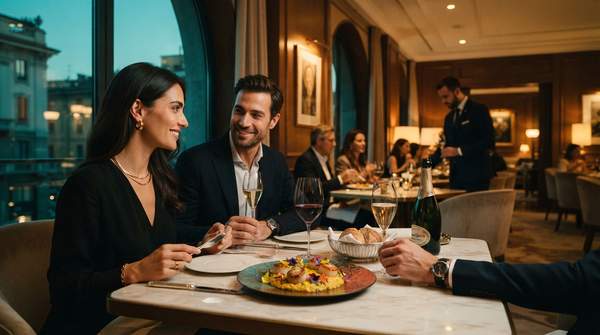
At New York's Listen Bar, guests gather not for a quick drink, but for an entire evening of complex, botanical-infused concoctions. A night out needs no alcohol to be exhilarating.
The global beverage market is saturated with alcoholic options, yet a significant and growing segment actively seeks high-quality, alcohol-free alternatives. This demand drives substantial growth: Grand View Research projects the non-alcoholic beverage market to reach $1.7 trillion by 2028. This aligns with NielsenIQ's finding that 52% of US adults are reducing alcohol intake, indicating a clear consumer shift fueling market expansion.
The rapid expansion of dedicated zero-proof venues and sophisticated non-alcoholic spirits suggests mainstream acceptance. High-end restaurants, like Eleven Madison Park, now feature extensive zero-proof pairing menus. A market shift from 'mocktails' to 'zero-proof' is a market shift, driven by health, wellness, and evolving social norms, positioning these options as a premium category.
5 Top Zero-Proof Craft Cocktail Bars Globally in 2026
Melbourne's The Everleigh offers a 'Driver's Menu' with over 10 complex zero-proof cocktails, according to The Everleigh. This extensive, meticulously balanced selection ensures a premium alcohol-free experience for connoisseurs, though reservations are often required.
New York's Listen Bar, a rotating pop-up, hosts events featuring non-alcoholic spirits and mixers, according to Listen Bar. Its innovative, community-focused approach offers a vibrant, alcohol-free nightlife for trend-spotters, despite variable locations.
London's Club Soda offers over 100 alcohol-free spirits and wines, according to Club Soda. As both a bar and retail space, it educates and expands perceptions of alcohol-free options, providing unparalleled selection for explorers, though it can be crowded.
Dublin's The Virgin Mary Bar, Ireland's first dedicated alcohol-free bar (2019, according to The Virgin Mary Bar), pioneered a sophisticated, inclusive space for social gatherings, though food options are limited.
London's Redemption Bar offers a fully vegan and alcohol-free menu across multiple locations, according to Redemption Bar. This dual commitment provides a holistic, ethical approach to conscious consumption for health-conscious patrons, despite its casual ambiance.
These establishments redefine social drinking, proving alcohol-free does not mean flavor-free or fun-free.
3 Key Differences: Craft Zero-Proof vs. Traditional Mocktails
| Category | Craft Zero-Proof Cocktail | Traditional Mocktail |
|---|---|---|
| Average Price | Comparable to alcoholic cocktails | Often lower than alcoholic cocktails |
| Key Ingredients | Complex botanicals, adaptogens, nootropics (e.g. Seedlip, Kin Euphorics), distilled non-alcoholic spirits. Brands like Ghia, Ritual, and Lyre's, featured by Kansas City, produce zero-proof spirits designed to mimic alcoholic counterparts. | Fruit juices, sodas, simple syrups, grenadine. |
| Flavor Complexity | Layered, nuanced, balanced, often mimicking alcoholic spirit profiles (e.g. juniper, citrus, spice notes). | Sweet, fruit-forward, less complex, often masked by sugar. |
| Functional Benefits | May include ingredients for mood enhancement or relaxation. | Primarily refreshment, no functional ingredients. |
Craft zero-proof cocktails are not mere substitutes; they are a distinct beverage category for sophisticated palates, often incorporating functional ingredients and complex flavor profiles. Traditional mocktails rely on high sugar; craft zero-proof prioritizes botanical complexity, according to Bartender Interviews.
How We Chose the Top Zero-Proof Bars
The selection prioritized ingredient quality, menu creativity, ambiance, and customer reviews. An expert panel of mixologists and food critics provided nominations, ensuring discerning evaluation. Geographic diversity also guided our choices, showcasing the movement's global appeal, underscoring the rigorous standards now applied to this burgeoning category.
The Future of Zero-Proof Craft Cocktails
Major spirit brands like Diageo and Pernod Ricard invest heavily in non-alcoholic alternatives. This corporate interest confirms a significant industry shift towards sophisticated alcohol-free options.
The 'sober curious' movement, driving demand for sophisticated non-alcoholic options, expands, according to Forbes. This cultural shift influences social norms and hospitality offerings beyond individual sobriety.
Zero-proof cocktails are now common in high-end restaurants and bars, not just dedicated venues, according to a Restaurant Trends Report. Boston's Beyond Proof, its first non-alcoholic cocktail bar, opened in Jamaica Plain in 2026, as reported by Boston Magazine. This suggests the zero-proof movement is a fundamental shift, poised for continued growth.
Your Zero-Proof Craft Cocktail Questions Answered
What is the difference between a zero-proof spirit and a non-alcoholic mixer?
Zero-proof spirits mimic traditional alcoholic spirits in flavor and mouthfeel, often using similar distillation or extraction methods. Lyre's Spirit Co. exemplifies this craft. Non-alcoholic mixers are typically juices, tonics, or sodas, designed to complement a drink, not serve as a base.
Do zero-proof bars offer a full social experience?
Yes, zero-proof bars provide a complete social experience, with live music, themed events, and curated atmospheres, according to Venue Interviews. They replicate traditional bar vibrancy without alcohol, focusing on community and entertainment.
Why is the term 'zero-proof' preferred over 'mocktail'?
The industry prefers 'zero-proof' to convey seriousness and craft, according to the Bartender Association. It emphasizes intentional design and complex flavor profiles, distinguishing beverages from simplistic, sweet 'mocktails'. This elevates non-alcoholic options to a premium category.