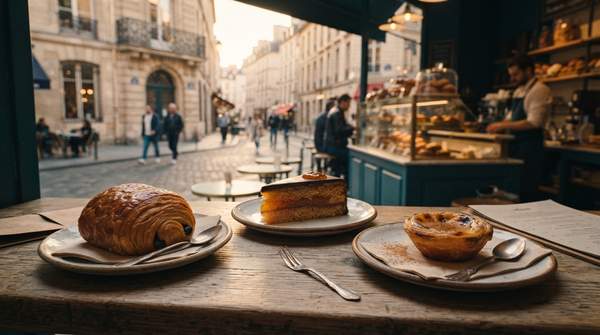
Securing a table at Le Restaurant, helmed by young chef Valentin Raffali, is now one of Paris's toughest culinary feats. signaling a dramatic shift in the city's dining hierarchy. Once defined by exclusive, expensive haute cuisine, Paris now craves affordable, innovative experiences focused on local produce. The rapid rise of new talents and declining relevance of old establishments point to a future where Paris's dining is more democratic, dynamic, and plant-forward, making exceptional food accessible to all.
The Fading Grandeur of Haute Cuisine
Traditional French haute cuisine feels excessively expensive, overly formal, and gastronomically stagnant, according to Eater. This irrelevance leaves space for new culinary expressions that better align with modern diners' values and budgets, emphasizing sustainability and relaxed experiences. Establishments clinging to this outdated model aren't just losing market share; they risk becoming entirely irrelevant as Parisians increasingly choose innovative, vegetable-forward dining over traditional formality.
A Democratic Revolution in Dining
Paris's traditional food hierarchy has flattened, with outstanding contemporary French cooking now available at reasonable prices city-wide, Eater reports. This makes exceptional dining accessible to a wider audience. Yet, the intense competition for tables at places like Valentin Raffali's Le Restaurant shows a new, fierce battleground for prestige. While democratic in price, the scene now defines culinary excellence by accessibility and cutting-edge cuisine. Securing a coveted reservation signals access to the city's most relevant cooking.
The New Culinary Philosophy: Local and Green
Modern Parisian menus increasingly feature vegetables, with meat often secondary to locally sourced, sustainable produce, Eater notes. This shift towards local, sustainable, and vegetable-forward ingredients signals a broader cultural embrace of conscious eating and innovative techniques. Chefs now forge direct relationships with small-scale farmers, ensuring freshness and bolstering local economies. This commitment shapes not just the plate, but sourcing and menu development across the city's emerging culinary hotspots.