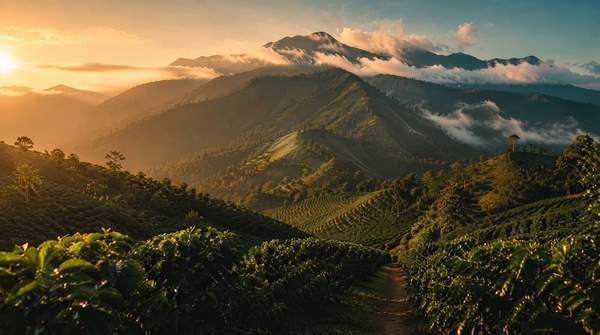
The distinct flavor profile of a coffee—whether it’s bright and floral or earthy and full-bodied—is deeply rooted in its place of origin. This concept, known as terroir, encompasses the complete natural environment in which a particular coffee is grown. A combination of specific factors, most critically altitude and soil composition, work together to shape the final taste in your cup, creating predictable and unique characteristics for beans from different regions around the world. Understanding these environmental influences allows you to move beyond simple country labels and appreciate the story of the hillside, soil, and climate that every bean tells.
Understanding Terroir: The Foundation of Coffee Flavor
In the context of coffee, terroir is the unique set of environmental factors that influence a coffee cherry's development, dictating how its sugars and flavor compounds form. An article by Lee Stowe for Morning Fix Coffee Co. explains that these elements include not just elevation and soil, but also temperature, rainfall, sunlight, wind patterns, and even shade coverage. Together, these conditions create a coffee that reflects the specific place where it was grown. This is why beans from different parts of the world, or even from different farms in the same region, can offer remarkably distinct tastes, giving each coffee its signature character.
Altitude: The Slow Maturation Secret
Altitude is widely considered one of the most significant components of coffee terroir. According to Gilded Grind, an online coffee publication, higher elevations cause coffee cherries to mature more slowly. This extended development period allows the plant to concentrate complex sugars and acids within the bean, resulting in a denser coffee that typically produces a cup with greater sweetness, complexity, and a brighter, more vibrant acidity. This effect is often amplified by significant temperature swings between day and night, a condition common in mountainous regions. An article from Podium Coffee Club notes that hot days and cold nights force the cherry to ripen slowly, storing more sugar. In contrast, beans from lower elevations tend to ripen more quickly, yielding a softer, heavier-bodied cup.
Soil Composition: Shaping Acidity and Body
The soil a coffee plant grows in is its primary source of nutrients, and its composition directly shapes the bean's flavor profile. Volcanic soils are especially prized in the world of specialty coffee. These soils, found in renowned regions from Antigua, Guatemala, to Kenya's central highlands, are typically young, mineral-rich, and well-draining. The specific minerals in the soil, such as nitrogen, phosphorus, and potassium, nourish the plant and contribute to the coffee's final aroma and sweetness, as explained by Trang Phan for XLIII Coffee. Ultimately, the soil composition helps define the acidity and body you experience in the cup, with mineral-rich volcanic earth often contributing to a brighter, more vibrant profile.
Terroir's Signature: A Regional Flavor Map
The interplay of terroir elements creates distinct and recognizable flavor profiles in the world's major coffee-growing regions. While individual farm practices and processing methods add further layers of complexity, the underlying character of a coffee is set by its environment. The following table illustrates how specific environmental factors in three key areas produce their characteristic tastes, providing a guide to understanding the "why" behind regional flavor differences. This framework can help you anticipate the general profile of a coffee based on its origin.
| Region | Key Terroir Elements | Resulting Flavor Profile |
|---|---|---|
| Guatemala (Antigua) | High altitudes, rich volcanic soil, and significant temperature swings between hot days and cool nights. | A full-bodied coffee with bright acidity and a complex flavor profile featuring notes of chocolate, spice, and citrus. |
| Sumatra (Indonesia) | Volcanic soils and high humidity, often at lower altitudes. The region's unique Giling Basah (wet-hulled) processing method also significantly influences the final taste. | A bold, full-bodied, and earthy coffee with very low acidity. Common flavor notes include dark chocolate, cedar, and herbs. |
| High-Altitude East Africa (e.g., Ethiopia, Kenya) | High elevations, often over 5,000 feet, combined with diverse and ancient volcanic soils. | A lighter-bodied, fragrant, and bright coffee. Expect sharp, fruity notes, citrus zest, and distinct floral aromas. |
Guatemala: Bright Acidity and Complex Spice
Coffees from Guatemala, particularly the famous Antigua region, offer a clear example of terroir at work. The area sits under three volcanoes, which provide the rich, mineral-laden volcanic soil that defines its coffee. This is combined with high altitudes, cool mountain air, and a distinct climate featuring hot days and cold nights. This daily temperature fluctuation forces the coffee cherries to mature slowly, developing a deep complexity. The result is a characteristically well-rounded and balanced cup. The volcanic soil helps shape a bright acidity, while the slow maturation builds a full body. Common flavor notes include a foundational chocolatey sweetness layered with delicate citrus, floral, or spicy highlights.
Sumatra: Earthy, Full-Bodied, and Low Acidity
In contrast to the bright profiles of Central America, coffees from the Indonesian island of Sumatra are known for their bold, earthy character. The region's terroir is marked by high humidity and volcanic soils, with beans that are often grown at lower altitudes than their East African or Guatemalan counterparts. This environment contributes to a coffee with a heavy, full body and distinctly low acidity. Beyond the natural environment, Sumatra's flavor is also profoundly shaped by a unique local processing method known as Giling Basah, or wet-hulling. This technique, specific to the region, enhances the coffee's body and contributes to its signature flavor profile: earthy, bold, and spicy, with notes of dark chocolate, cedar, and herbs.
High-Altitude East Africa: Floral, Fruity, and Bright
East African countries like Ethiopia and Kenya are celebrated for producing some of the world's most aromatic and vibrant coffees, a direct result of their high-altitude terroir. Grown at elevations often exceeding 5,000 feet on diverse volcanic soils, the coffee cherries mature very slowly, developing the bright, floral, and fruity notes the region is famous for. This high-grown environment produces a cup that is typically lighter-bodied, sharp, and fragrant. While sharing a regional brightness, there are nuances between countries; XLIII Coffee notes that Kenyan coffees often present as clean and tart, while lots from Ethiopia, the birthplace of coffee, are frequently more distinctly floral and fruity, with common notes of citrus zest and berries.
Choosing Your Next Cup: Applying Terroir Knowledge
When selecting coffee, consider the region's terroir characteristics to anticipate its flavor profile, rather than relying solely on country of origin. While individual farm practices, coffee variety, and roast level also play crucial roles, understanding the foundational impact of altitude, soil, and climate provides a powerful tool for navigating the world of coffee and making choices that align with your taste preferences. A high-altitude Guatemalan coffee should present bright acidity, while a Sumatran bean should offer an earthy depth.
The ultimate test of this knowledge is in the tasting. The flavor notes experienced in the cup should consistently align with the expected profile based on the coffee's regional terroir, as outlined in the explanatory model. By connecting the taste in your cup to the environment where it was grown, you can develop a deeper appreciation for the global story of coffee with every sip.
Sources
- The Coffee Atlas | Coffee Terroir: How Geography Shapes Coffee Flavor — Morning Fix Coffee Co.
- Coffee Tasting Notes by Region: What to Expect — Gilded Grind
- The World's Best Coffee Growing Regions: A Complete Guide — Podium Coffee Club
- Terrain, climate and soil on the flavor of Specialty coffee — XLIII Coffee