
Culinary History
6 articles
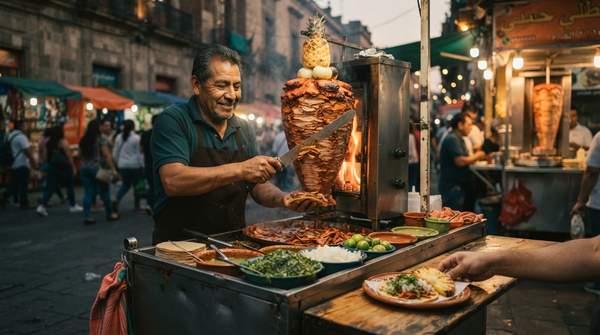
The Lebanese Roots and Mexican Evolution of Tacos al Pastor
Tacos al pastor, a beloved Mexican street food, traces its origins to Lebanese immigrants who introduced shawarma to Puebla in the 1930s. The dish evolved significantly, transforming into distinct regional variations like Puebla's tacos árabes and the iconic Mexico City tacos al pastor, featuring marinated pork and unique spices.
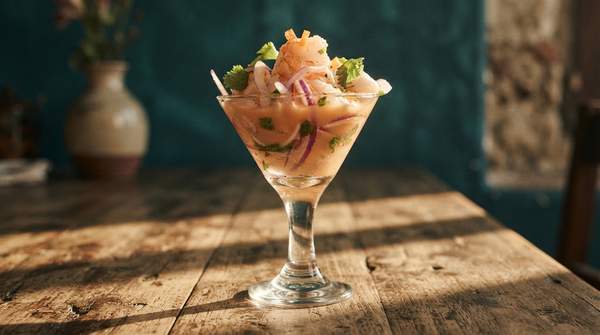
The Historical Evolution and Cultural Significance of Peruvian Ceviche
Peruvian ceviche is a culinary icon with a history spanning over two millennia, evolving from ancient preservation techniques to a globally celebrated dish. It embodies Peru's rich history, diverse geography, and cultural identity, recognized by UNESCO as Intangible Cultural Heritage.

What is the cultural impact of the global spice trade?
When Vasco da Gama's ships returned from India in 1499, their cargo of spices yielded profits estimated at 60 times the expedition's cost, according to thespicetrader .

Who Was Maria Ylagan Orosa and Why Does Her Food Legacy Matter?
A single Filipina food technologist, Maria Ylagan Orosa, created some of the most beloved Filipino foods, fundamentally altering the nation's diet in ways most diners still don't realize.

What Was the Global Impact of Ancient Spice Routes?
In 410 AD, when the Visigoths sacked Rome, their ransom demand wasn't gold or jewels, but a staggering 3,000 pounds of peppercorns.

Japan's Centuries-Long Dietary Shift: From Prohibition to Modern Cuisine
For over a millennium, Japan observed a widespread prohibition on meat consumption, initiated by imperial decree in the 7th century and profoundly shaping its culinary traditions. The ban was dramatically repealed during the Meiji Restoration in the late 19th century, ushering in a new era of Japanese cuisine that integrated Western influences and iconic meat dishes.