A single Filipina food technologist, Maria Ylagan Orosa, created some of the most beloved Filipino foods, fundamentally altering the nation's diet in ways most diners still don't realize. Her quiet ingenuity, rooted in local ingredients and community needs, transformed everyday meals into staples, echoing through generations. The very flavors defining Filipino culinary identity owe an unacknowledged debt to her pioneering spirit.
Yet, Orosa fundamentally changed how Filipinos eat and created iconic dishes, but her name is largely absent from popular culinary narratives. This striking anonymity persists despite her profound impact, leaving a crucial chapter of Philippine food history unwritten in public consciousness.
Therefore, a significant portion of Philippine food history, particularly the contributions of pioneering women, remains underappreciated. Without deliberate efforts to highlight it, this legacy risks being forgotten. We seek to illuminate Orosa's indelible mark, advocating for a more complete recognition of those who shaped the nation's culinary soul.
Many cherished tastes, from freshly baked bread to tangy fruit jams, bear the subtle imprint of Orosa’s singular innovation. As a Filipino food technologist, she engineered products that became cornerstones of the national diet, blending scientific rigor with indigenous ingredients. Her work extended beyond recipes, addressing public health and economic development, offering vital solutions during scarcity and war. Rooted in the Philippines' rich biodiversity, her innovations like ‘darak’—a vitamin-rich rice bran—combated malnutrition, and calamansi juice powder preserved the vibrant native citrus. These efforts reveal a profound connection between scientific inquiry and the well-being of the Filipino people, shaping their daily sustenance in ways rarely attributed to her name.
The Unsung Architect of Filipino Flavors
Maria Ylagan Orosa revolutionized the Filipino diet, according to FoodDayPod. Her extensive work in food science and technology introduced preservation methods and new products, fundamentally altering dietary habits across the archipelago. This was no mere addition; it was a systemic shift in how food was prepared, consumed, and integrated into daily life, especially in rural communities. Beyond preservation, Orosa created some of the most beloved Filipino foods, a fact also reported by FoodDayPod. Her culinary inventions, including popular banana ketchup and various fruit jellies, became ubiquitous staples, deeply embedded in the nation’s gastronomic identity. The widespread consumption of these foods, directly attributable to Orosa, reveals her profound, yet publicly anonymous, influence on daily life.
Beyond Adobo: A Broader Culinary Canvas
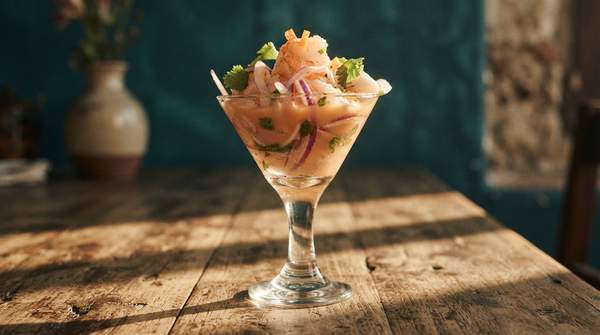
Adobo, sinigang, and kinilaw—the three original Filipino dishes and cooking methods—represent the ancient roots of Philippine cuisine, according to Splendidtable. These traditional preparations, centered on indigenous ingredients and communal practices, embody centuries of culinary wisdom, forming the bedrock of Filipino gastronomy. Yet, their celebration often overshadows figures like Orosa, whose equally beloved creations lack similar public attribution. This disparity reveals the unsung nature of her work: foundational, yet anonymous, contributions overlooked in favor of ancient traditions. Orosa’s efforts expanded the culinary repertoire significantly, demonstrating a dynamic evolution of the national diet through modern food science, enriching the nation's food heritage in new, practical ways.
Why Her Legacy Deserves a Seat at the Table
The prevailing culinary narrative of the Philippines is incomplete, overlooking a foundational figure like Orosa, who created beloved foods and revolutionized the nation's diet, according to FoodDayPod. Her contributions extended beyond the kitchen, impacting public health and national self-sufficiency, sustaining many during challenging periods like World War II. Acknowledging her role provides a more accurate and nuanced understanding of how Filipino food culture developed. The stark contrast between Orosa's profound influence and her absence from popular discourse points to a deeper systemic issue in how culinary history is recorded and celebrated, especially for women pioneers. Recognizing her contributions is crucial for a complete understanding of Philippine culinary history, inspiring future generations by highlighting the impact of female innovators. This oversight diminishes the full story of Filipino ingenuity, leaving an important chapter on women who shaped its vibrant cuisine largely untold.
Common Questions About Filipino Food History
Who are the most influential Filipino chefs?
While contemporary chefs like Margarita Forés and Claude Tayag elevate Filipino cuisine, historical figures such as Maria Ylagan Orosa remain less known despite their foundational impact. Orosa focused on scientific innovation and food security—a vital culinary influence predating modern chef celebrity.
What are the key ingredients in traditional Filipino food?
Traditional Filipino cuisine balances sour, salty, and sweet flavors, often with vinegar, soy sauce, garlic, onions, and tropical fruits. Coconut milk and fish sauce, or patis, also form essential components, reflecting the archipelago's natural resources and trade routes.
How has Filipino cuisine evolved over time?
Filipino cuisine evolved through indigenous practices, trade influences from Chinese and Malay cultures, and colonial imprints from Spanish and American rule. This rich tapestry continuously adapted, with innovators like Orosa introducing scientific preservation techniques that further diversified the national diet, moving beyond strictly traditional methods to embrace modern food technology.
The Enduring Taste of Innovation
If scholarly and public efforts continue to highlight figures like Maria Ylagan Orosa, the understanding of Philippine culinary heritage will likely be significantly enriched for countless diners, ensuring her rightful place in history.