Imagine 60,000 international soccer fans descending on a city renowned for its smoky ribs and late-night jazz clubs, not its sprawling public transit. Kansas City, our vibrant heartland metropolis, now faces the exhilarating, yet daunting, prospect of hosting the 2026 FIFA World Cup. This event, which will be the largest ever with 48 teams and 104 matches across three countries, according to FIFA, will certainly test our infrastructure. For visitors looking to experience the best of Kansas City's jazz and barbecue during the World Cup, planning is key.
Yes, Kansas City is a vibrant cultural hub with a passionate sports base, but its infrastructure and global tourism experience are untested for an event of the World Cup's magnitude. Can our celebrated local charm truly meet the demands of a global audience?
Kansas City faces a significant, yet potentially transformative, challenge in balancing its local charm with the demands of a global sporting spectacle. This will be a true test of our ability to blend authenticity with efficiency.
The Confirmed Details
- Arrowhead Stadium, home of the Chiefs, has a seating capacity of over 76,000 and will host matches, according to the Kansas City Sports Commission.
- The city's bid highlighted its central location and experience hosting major sporting events like the MLB All-Star Game, as detailed by the KC World Cup Bid Committee.
- FIFA requires host cities to meet stringent security, accommodation, and training facility standards, based on FIFA Host City Guidelines.
Kansas City's proven track record with large-scale events and its iconic stadium were key factors in securing this prestigious role. This foundation suggests a readiness for the sporting aspect, but the broader urban integration remains a question.
Beyond the Pitch: KC's Unique Cultural Draw
Kansas City is globally recognized for its unique style of barbecue and vibrant jazz scene, boasting over 100 BBQ restaurants and numerous jazz clubs, according to Visit KC. Its status as a host city, often considered an underrated travel destination, further highlights its distinct appeal for the World Cup, as noted by Irish News. Local cultural institutions are already planning special events and festivals to showcase our heritage during the tournament. The city's bid even emphasized its 'walkable' entertainment districts, like the Power & Light District and Westport, as noted by the KC World Cup Bid Committee.
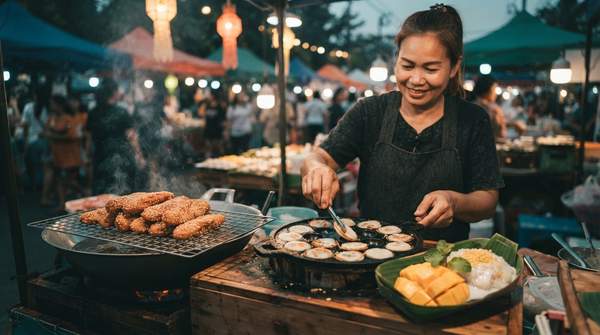
This cultural richness presents a unique opportunity for Kansas City to offer a World Cup experience unlike any other host city, blending elite sport with authentic local flavor. However, this very distinctiveness could become a double-edged sword if not strategically integrated with robust logistical planning, potentially leading to a memorable but chaotic experience for international visitors.
The Road Ahead: Infrastructure and Logistics
Public transportation options in Kansas City, primarily bus routes, are less extensive than in major global cities, potentially posing logistical challenges for large crowds, according to the KCATA. To address this, the City of Kansas City, MO, plans significant infrastructure upgrades, including airport enhancements and potential transit expansions. Meanwhile, hotel occupancy rates are expected to soar, with many rooms already pre-booked by FIFA and associated entities, as reported by the KC Hotel Association.
While the city is preparing for a massive influx, significant investment and strategic planning are crucial to manage the logistical complexities of a global event. Kansas City's World Cup organizers must prioritize scalable, efficient solutions over showcasing local charm, or risk alienating a global audience expecting world-class event infrastructure.
Anticipating Impact: Economic Booms and Local Concerns
Economic impact studies project over $500 million in economic activity for the Kansas City region, according to the Greater Kansas City Chamber of Commerce. This surge means local businesses, especially in hospitality and tourism, anticipate a massive influx of visitors. However, concerns have been raised by Local Community Advocates about affordable housing availability for temporary workers and potential displacement for residents near venues.
The World Cup promises a substantial economic boost, but city leaders must proactively address potential negative impacts on local communities and affordability. By Q3 2026, the City of Kansas City, MO, must demonstrate tangible progress on these infrastructure and social challenges, or risk a chaotic experience for its global visitors.
Your Questions Answered
What jazz clubs are open during the World Cup 2026 in Kansas City?
While specific schedules are still being finalized, many of Kansas City's renowned jazz clubs, such as the Blue Room and the Mutual Musicians Foundation, are expected to operate with extended hours. Local cultural institutions are planning special events, making it a vibrant time for music lovers.
How to travel to Kansas City for the World Cup 2026?
Travelers are advised to book accommodations and transport well in advance due to anticipated high demand, according to a Travel Advisory. Public transportation, primarily bus routes, will be supplemented by potential transit expansions, but personal vehicle travel might face significant congestion.
Will there be opportunities to volunteer for the World Cup in Kansas City?
Yes, volunteer recruitment efforts will be massive, requiring thousands of local residents to assist with event operations, as stated by the KC World Cup Organizing Committee. This presents a unique chance to be directly involved in the global spectacle and contribute to our city's hospitality.