World Cup tourism boom falls short for city restaurants

Nearly 300 New York City restaurants have signed up to offer $26 dining and drinking specials, anticipating a World Cup tourism boom that, so far, has failed to materialize in hotel bookings across ma

EK
Elif Kaya

May 23, 2026 · 5 min read

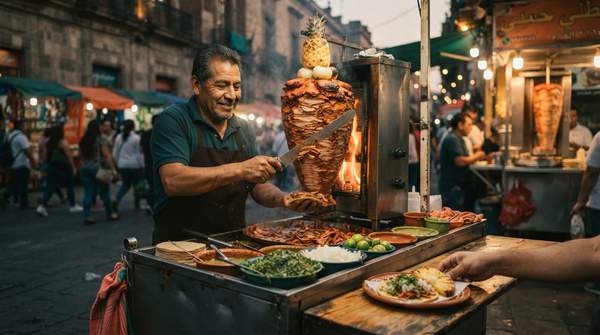
New York City street with restaurants offering specials, showing fewer diners than expected during the World Cup tourism period.

Nearly 300 New York City restaurants have signed up to offer $26 dining and drinking specials, anticipating a World Cup tourism boom that, so far, has failed to materialize in hotel bookings across major cities, according to Eater New York. These "Five Boroughs Winners Specials" aim to encourage tourists and locals to explore the city's diverse dining scene during the tournament, with hundreds of establishments participating through the New York City Tourism + Conventions bureau. This widespread local engagement suggests a strong belief in an upcoming surge of visitors, impacting the 2026 World Cup tourism bubble impact on restaurants in the city.

However, a tension emerges as cities roll out extensive dining promotions and some restaurants brace for major crowds, even as hotel bookings in major cities have not seen a huge spike, according to Bonappetit. A significant challenge for businesses and urban planners is highlighted by this disconnect.

Cities and restaurants banking on a massive international World Cup tourism influx may find their efforts primarily benefiting local patrons, or falling short of expectations, as economic barriers deter foreign visitors.

Who Will Be Affected?

  • Local residents and domestic tourists are poised to benefit from special dining deals in host cities, such as the $26 specials in New York.
  • International fans face deterrence from high travel costs, including pricey visa deposits and expensive airfare, limiting their attendance.
  • Cities and businesses that over-invested in infrastructure or marketing specifically for international World Cup tourists risk underperformance.
  • Individual restaurants, driven by local hype, may overstaff or overstock in anticipation of a tourism surge that broader economic indicators do not support.
  • Cities are likely misallocating resources on local dining promotions, failing to address fundamental economic barriers for international World Cup tourism.
  • The scale of local incentives, like New York City's $26 dining specials, appears insufficient to overcome the much larger economic hurdles of international travel.
Why The Disconnect?

The enthusiasm for local dining promotions in cities like New York stems from an anticipation of significant international tourist traffic. However, this focus on local incentives appears to overlook the fundamental economic barriers that deter foreign visitors. Cities are likely misdirecting resources by promoting dining deals rather than addressing issues like pricey visa deposits and expensive airfare, which experts suggest contribute to a tourism slump, according to Bonappetit.

Individual restaurants, influenced by local hype, are preparing for a tourism surge that broader economic indicators, such as flat hotel bookings, suggest will not materialize. This could lead to operational inefficiencies like overstaffing or overstocking. The scale of local incentives, exemplified by New York City's $26 dining specials, is insufficient to overcome the much larger economic hurdles of international travel, rendering them ineffective in attracting foreign World Cup visitors.

The Reality of the World Cup Bubble

Despite widespread World Cup hype, hotel bookings in major cities have not seen a huge spike, according to Bonappetit. Experts attribute this tourism slump to significant economic hurdles, including pricey visa deposits and expensive airfare. This suggests that while cities promote local deals, the fundamental barriers to international travel remain unaddressed, limiting the anticipated influx of foreign fans.

The enthusiasm seen in nearly 300 New York City restaurants offering $26 specials, as reported by Eater New York, suggests a dangerous overestimation of international tourist numbers. This discrepancy between local optimism and broader travel data could lead to wasted resources and disappointment for participating businesses. For instance, an iconic Kansas City barbecue restaurant is preparing for major crowds due to the FIFA World Cup, according to WFIN, despite the broader trend of flat hotel bookings.

Based on Bonappetit's reporting on flat hotel bookings and expert analysis of pricey visa deposits and airfare, US cities investing in local World Cup promotions are likely misdirecting resources. These funds would be better spent addressing fundamental travel cost barriers. The overall impact on host cities appears fragmented, with some local businesses bracing for a surge that broader economic indicators do not support.

How Can Cities Adapt?

Moving forward, cities and businesses must recalibrate their strategies for the 2026 World Cup. Instead of solely focusing on local dining promotions, resources would be better spent addressing fundamental travel cost barriers. This could involve lobbying for more accessible visa processes or collaborating with airlines to offer more affordable packages for international fans.

Restaurants should also temper expectations regarding international tourist numbers. While local and domestic visitors will undoubtedly take advantage of dining deals, an over-reliance on a large influx of foreign patrons could lead to financial strain. Adapting marketing efforts to target domestic travelers and local residents more directly may yield better results. By Q3 2026, businesses like the iconic Kansas City barbecue restaurant, which prepared for major crowds, may need to re-evaluate their staffing and inventory if international tourist numbers remain flat, as indicated by current hotel booking trends.

How will the 2026 World Cup affect local businesses?

Local businesses, particularly restaurants, may see increased demand from domestic tourists and local residents taking advantage of special dining deals. However, businesses that over-invested in anticipation of a large international tourism boom, which has not materialized in hotel bookings, may face financial disappointment. Investors looking to profit from the 2026 World Cup might consider sectors beyond traditional tourism, such as local infrastructure improvements, according to Barchart.

What are the economic impacts of major sporting events on host cities?

Major sporting events like the World Cup can stimulate local economies through increased spending on dining and entertainment, especially from domestic tourists. However, the anticipated economic impacts from international tourism can be dampened by high travel costs, as seen with pricey visa deposits and expensive airfare. Cities must assess net economic gains carefully, considering both direct revenue and the costs of event preparation.

Will restaurant demand increase during the 2026 World Cup?

Restaurant demand is likely to increase, especially from local residents and domestic tourists seeking to experience the event's atmosphere and special promotions. However, the extent of this increase may fall short of expectations for businesses banking on a massive international influx. The nearly 300 New York City restaurants offering $26 specials indicate a strong local belief in increased demand.