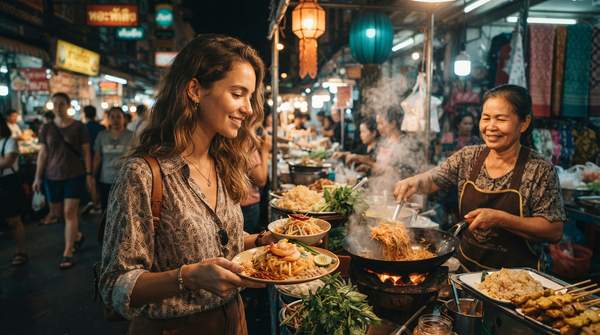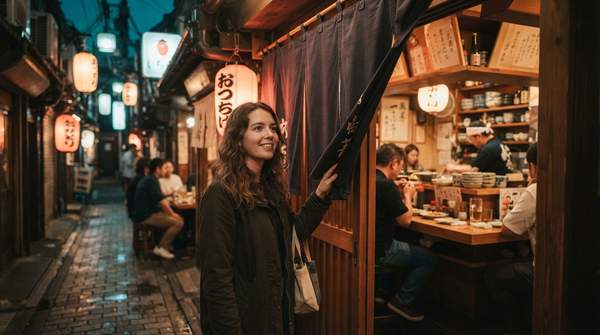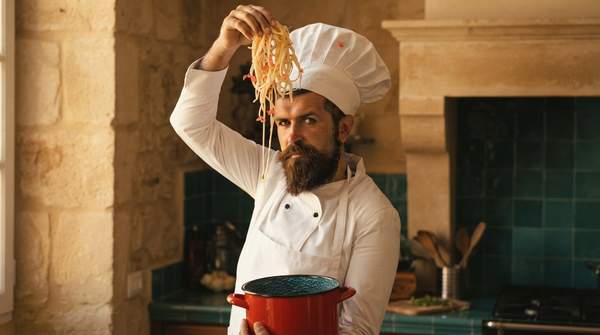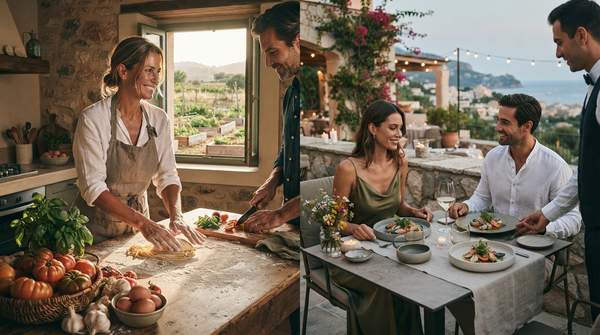
If you dream of kneading pasta dough beside a Tuscan nonna, an immersive farm stay is your model. If you'd rather settle into a plush chair and let a guest chef from New York serve you a fourteen-piece omakase journey, the event-driven boutique hotel is your answer. That's the real fork in the road for luxury culinary travelers today, and it comes down to one question: do you want to participate in your food, or be dazzled by it?
Introduction to Culinary Travel Accommodations
Not long ago, hotel food was an afterthought—bland breakfast buffets, generic minibar snacks, lackluster lobby bars, as Liz Provencher observes in Eater's guide to America's best culinary resorts. But a growing tribe of travelers now plans entire trips around eating, seeking properties where the meals are the point rather than a pit stop. Two distinct models have emerged to serve them. One burrows into the soil: the working farm or ranch stay, where you harvest, cook, and meet the people behind every ingredient. The other curates from above: the boutique hotel that transforms dining into ticketed theater through festivals, chef takeovers, and exclusive tastings. Both deliver extraordinary food. They simply disagree on what you should be doing while it reaches your plate.
The Immersive Farm Stay: Connecting with the Source
The farm stay model is built on a simple philosophy: understand a place by working its food culture from the inside. As the team at La Chiusa, a Tuscan inn and restaurant, puts it, a true culinary vacation "stays in one region and goes deep: cooking with local teachers, eating what you made, visiting the producers behind the ingredients, and absorbing the food culture from the inside rather than observing it from the outside."
In practice, that looks like Culture Discovery Vacations' Italian itineraries, which invite guests to make fresh pasta from scratch, harvest wine grapes in Tuscany, slice farm-raised prosciutto by hand, and press their own Umbrian olive oil. The company frames its cooking classes as "a group of friends doing hands on cooking classes based on traditional Italian family recipes"—familiarity over formality. At Wyoming's Brush Creek Ranch, the hands-on roster includes cheesemaking, pasta making, ranch-raised Wagyu grilling, and distillery tours. And at Quercus, a four-cabin resort on 3,800 acres of working Georgia ranchland, guests can spend their days horse training or kayaking the Flint River between meals drawn from the land itself. Eater notes that resorts on working farms have guests harvesting produce that ends up on their dinner plates that very night.
Event-Driven Boutique Hotels: Curated Culinary Experiences
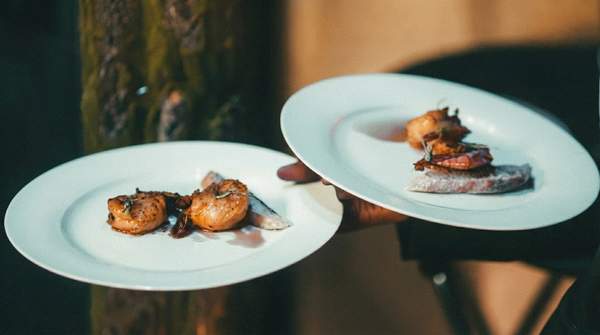
The boutique hotel model trades soil for spectacle. Here, the culinary program arrives as a calendar of limited-run events, and your job is to savor. The Auberge Collection's properties illustrate the range: a five-day Santa Fe Wine & Chile celebration at Bishop's Lodge featuring sixty chefs, including James Beard Award winners; a pastry-and-progressive-cocktail tasting at Hotel Jerome's Bad Harriet; and an omakase experience from New York-based Chef Kei Yoshino—a "14-piece, 9-course journey" of sourced international and domestic ingredients. One Hotel Jerome event was even dreamed up by a celebrated interior designer, folding visual artistry into the meal itself.
Notably, these hotels can borrow the farm's language when it suits them. Auberge describes a harvest dinner series at The Lodge at Blue Sky honoring "the land that has brought us the hardworking hero vegetables" grown by its female farm team. The difference is posture: at the farm stay you are the producer for an afternoon; at the hotel, the land and its chefs perform for you. As Elle Gourmet observes of luxury lodges in Brazil, the ultimate luxury is "understanding the people, traditions and landscapes"—but in the hotel model, that understanding is delivered through curated menus and guided experiences rather than your own flour-dusted hands.
Culinary Travel Models: Farm Stay vs. Boutique Hotel
Here is the side-by-side comparison, drawn from what these properties actually offer guests. Read each row against your own instincts: the model that excites you is the one that fits.
| Dimension | Immersive Farm Stay / Agriturismo | Event-Driven Boutique Hotel |
|---|---|---|
| Experience model | Deep, hands-on engagement with local food culture and agricultural practice; you participate in production | Curated, high-end culinary events and exclusive dining, often with guest chefs; you appreciate rather than produce |
| Level of immersion | Active: harvesting, cooking, pressing, tasting your own work | Observational: tastings, demonstrations, workshops, chef-led dinners |
| Typical activities | Pasta making, grape harvesting, prosciutto slicing, olive oil pressing, cheesemaking, ranch grilling, foraging and fishing expeditions | Wine festivals, guest chef takeovers, omakase dinners, themed multi-course menus, progressive cocktail pairings, mixology masterclasses |
| Dining style | Communal and familial—eating what the group made together | Polished and exclusive—ticketed, often intimate chef-driven events |
| Connection to sourcing | The core philosophy: direct contact with the land, farmers, and producers | Present but mediated: menus celebrate local ingredients and farms, delivered through the kitchen |
| Pricing model | Typically all-inclusive, bundling lodging, meals, classes, and excursions | Room rate separate; culinary events often priced individually or as special packages |
The pattern across these rows is consistent: the farm stay sells transformation through participation, while the boutique hotel sells access to excellence. Neither is more luxurious—Quercus offers private saunas and cold plunges on its ranch, and Brush Creek Ranch pours flights from one of the ten largest wine collections in the world—but they reward different appetites.
Pricing Models for Culinary Vacations
Farm stays tend to simplify your budget by bundling everything. La Chiusa's Cook in Tuscany program, for example, is priced at $4,850 per person based on double occupancy, with a $300 single supplement, covering six nights, all meals with wine, daily cooking classes, and all excursions. Brush Creek Ranch and Culture Discovery similarly structure their offerings as all-inclusive culinary packages, so the number you see is close to the number you pay.
Boutique hotels run differently. Some properties do offer all-inclusive stays—Observer's review of American luxury hotels describes one where a nightly five-course chef's menu is simply part of the rate—but the marquee culinary events are frequently separate, ticketed experiences layered on top of your room. A weekend built around a wine festival or an omakase takeover means adding each event's price to your accommodation cost. Neither approach is cheaper by nature; the farm stay front-loads everything into one figure, while the hotel lets you assemble—and pay for—only the events you want.
Making Your Culinary Travel Decision
Choose an immersive farm stay if you prioritize hands-on participation, a deep connection to food origins, and a rustic, educational experience. Opt for an event-driven boutique hotel if you prefer curated, high-end dining events, exclusive chef access, and a more luxurious, less participatory culinary journey. A useful gut check: picture your ideal evening. If it's flour on your apron and dinner made by your own group, book the farm. If it's a ninth course placed before you by a visiting chef, book the hotel.
Before you commit, verify the measurable indicator: the traveler's satisfaction with their chosen culinary experience, measured by alignment with their desired level of participation and dining style. Ask any property one concrete question—will I cook, or will I be served? The answer, matched honestly against what you want from the trip, is the most reliable predictor of whether you'll come home transformed or merely well fed.
Sources
- The Best Culinary Resorts in the United States — Eater
- Why Foodies Are Choosing a Culinary Vacation in Italy Over a Traditional… — LaChiusa Hotel & Restaurant
- All-Inclusive Italy Cooking Vacations & Culinary Tours | Culture Discovery Vacations - Culture Discovery Vacations
- All-Inclusive Culinary Vacations — Brush Creek Ranch
- Culinary Getaways — Auberge Collection
- These luxury resorts are making cultural immersion a priority — Elle Gourmet
- The Luxurious All-Inclusive Hotels Defying Dining Expectations Across the U.S. — Observer