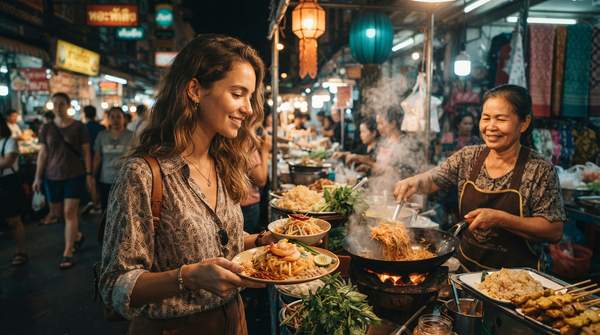
If you're planning a first trip to Bangkok and want one reliable evening of street food, pick a market that matches what you actually want from the night: a modern food park like The One Ratchada for eating and atmosphere, Jodd Fairs DanNeramit for sheer variety of stalls, or Chatuchak's Friday-night session if you want food woven into a sprawling shopping bazaar. Then order from a short list of essentials—pad thai, som tum, chicken satay, and a bowl of guay tiew—and you'll have the core of the experience in a single visit.
Introduction to Bangkok's Night Market Scene
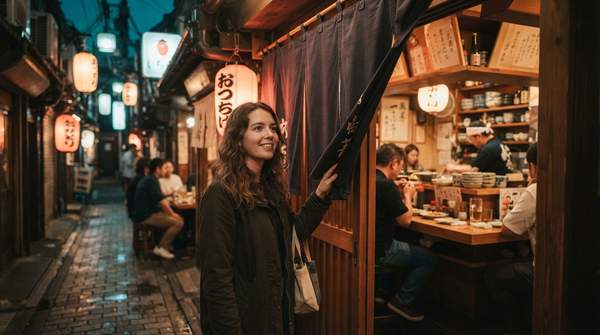
Step into a Thai night market and your senses take over before your brain does. One travel writer describes the scene vividly: the sizzle of pork skewers on charcoal grills, the tangy aroma of som tam pounded in a mortar, neon signs promising "the best noodles in town." In his telling, Thailand's street food is "more than a meal — it's a cultural heartbeat," a story of history, community, and flavor running from Bangkok's bustling alleys to Chiang Mai's quieter lanes.
That framing isn't just romantic. Night markets function as community hubs where eating, shopping, and social life happen in the same square meter of pavement, and the food itself is famously approachable. A 2026 Thailand food guide notes that the cuisine is highly visual, often colorful, and adaptable to different spice tolerances, which makes it workable for almost any traveler regardless of their usual diet back home. A handful of dishes appear everywhere, from street stalls to upscale restaurants, and trying them is part of understanding Thai cuisine as a whole.
For a first-time visitor, though, "night market" covers a lot of ground. Bangkok's options range from purpose-built food parks to a weekend mega-bazaar that only runs its night session once a week. Choosing well matters more than choosing "the best" one.
Choosing Your Night Market: A Comparative Guide
The most useful way to think about Bangkok's night markets is by type rather than by ranking. Based on recent travel and food blog descriptions, three named markets represent three distinct experiences: a modern food-centric venue, a large multi-stall food market, and a classic weekend bazaar with a night component.
Food blogger James Kaewanan, writing for Feastography, calls Jodd Fairs his favorite night market specifically for its large variety of street food, and notes it recently opened a new branch at DanNeramit, a former theme park. The One Ratchada, he explains, carries on the legacy of the original Ratchada Train Market—it was renovated in 2023 after closing during the Covid-19 pandemic, with new management reviving it. Chatuchak, meanwhile, is primarily a day market, but its Friday-night session brings street food vendors and live entertainment into a vast array of goods.
Bangkok Night Market Comparison
Use this table to match a market to your evening: if you want a dedicated food outing any night of the week, Jodd Fairs or The One Ratchada fit; if your trip includes a Friday, Chatuchak adds shopping scale to the food.
| Market | Vibe / Primary Focus | Location | Operating Hours (as reported) |
|---|---|---|---|
| Jodd Fairs DanNeramit | Large variety of street food stalls; newest branch of a famous market, set at a former theme park | Phahon Yothin Road, Chatuchak area, Bangkok | Daily, 4:00 PM – midnight |
| The One Ratchada | Modern, food-centric market renovated in 2023; successor to the Rod Fai Market Ratchada | Rama IX Road, Huai Khwang, Bangkok | Daily, 4:00 PM – midnight |
| Chatuchak Weekend Night Market | Primarily a day market; Friday-night session adds street food vendors and live entertainment amid a vast range of goods | Kamphaeng Phet 2 Road, Chatuchak, Bangkok | Friday, 6:00 PM – midnight |
Two practical notes follow directly from the comparison. First, Chatuchak's night session is a Friday-only affair—plan around it or you'll find the food stalls dark. Second, both daily markets open in the late afternoon, so an early dinner is entirely possible. Hours and market details here reflect blog reporting as of its most recent updates, and markets in Bangkok do change; confirm before you go.
Essential Street Food Dishes to Try
Four dishes will give you the shape of Thai street food in one evening. Each is widely available and each teaches your palate something different.
Pad Thai. The gateway dish, and for good reason. A 2026 Thailand food guide describes it as stir-fried rice noodles with egg, tofu or shrimp, bean sprouts, and a tamarind-based sauce, finished with crushed peanuts and a wedge of lime. Expect a balance of sweet, sour, and savory in a single plate, with texture from the peanuts and sprouts. It's the safest first order at an unfamiliar stall.
Som Tum (green papaya salad). This is where Thai flavor logic becomes visible. Food blogs and community accounts describe a vibrant, complex profile balancing sour, spicy, salty, and sometimes sweet notes, achieved through a specific pounding preparation in a mortar and pestle—the tangy aroma of som tam being pounded is one of the signature sounds and smells of a night market. Ask for it mild if you're spice-shy; vendors routinely adjust.
Chicken Satay. Marinated and grilled chicken skewers served with peanut sauce, according to a street food guide comparing Thai and Korean food cultures. The skewers come off the grill fragrant and slightly charred, and the peanut dipping sauce—often alongside a cucumber relish—makes this the most kid-friendly and universally liked item on the list.
Guay Tiew (noodle soup). The workhorse of Thai street food. Comprehensive food guides describe it as a fundamental, highly versatile dish with numerous regional variations in broth, noodles, meats, and flavor profiles—a staple across the country. At a night market, expect to choose your noodle type and watch the vendor assemble the bowl in minutes. It's the dish locals eat most often, which tells you something.
Navigating Night Markets and Ordering Food
The mechanics of a night market are simpler than they look from the outside. Walk the full market once before committing to a stall—the same dish can vary in price and quality within a single market, and the busiest stalls are usually busy for a reason. Pointing at what someone else is eating is a fully accepted ordering method, and many stalls display photos or finished dishes at the counter.
Spice is negotiable. The same adaptability that makes Thai food approachable for travelers, as the 2026 food guide emphasizes, works at the individual stall level: you can request less chili, and vendors expect it. For som tum in particular, specifying your spice level when ordering is standard practice rather than an imposition.
Seasoned travelers and food bloggers offer one more piece of advice worth keeping: discover popular street snacks by asking locals, browsing the food markets themselves, or following recommendations from experienced travelers. In practice, that means don't over-plan. Choose your market, know your four essential dishes, and let the rest be improvisation.
A few boundaries on what this guide covers: it focuses on Bangkok, where the most specific evidence is concentrated, and it offers general guidance on markets and dishes rather than reviews of specific stalls. It is not an exhaustive survey of Thailand's regional street food, and it doesn't cover food festivals.
Embark on Your Thai Culinary Journey
Choose a Bangkok night market based on your preferred atmosphere and food focus, then confidently order essential street food dishes using the guide above. The decision framework is straightforward: any night of the week, pick Jodd Fairs DanNeramit for maximum food-stall variety or The One Ratchada for a renovated, modern food-park setting; on a Friday, Chatuchak's night session combines street food with the scale of one of Bangkok's most famous markets.
Then order with intent. Start with pad thai as your anchor, add som tum to taste the sour-spicy-salty balance that defines Thai flavor, take chicken satay for the grill-and-peanut-sauce combination, and finish with a bowl of guay tiew to eat the way locals do. The measurable indicator of success is simple: you've successfully navigated your chosen market, ordered and enjoyed at least two essential dishes, and left satisfied with the experience. If you've done that, you haven't just eaten—you've participated in what one writer calls Thailand's cultural heartbeat, one plate at a time.
Sources
- MEDIUM
- Thailand Food Guide (2026) – Must-Try Dishes & Street Food — PathRoamer
- 10 Best Bangkok Night Markets for Thai Street Food Lovers — Feastography
- 50 Best Thai Street Food (Ranked and Rated) — Live Less Ordinary: Bangkok Based Bloggers Travelling in Asia & Beyond
- Exploring the Vibrant Street Food Cultures of Thailand and Korea - Synergy