Here's the short answer: choose a hands-on cooking class if your priority is leaving with specific, repeatable skills and traditional recipes; choose a market-to-table tour if what draws you is understanding how a place shops, sources, and eats, from stall to plate. Both are genuinely immersive, but they immerse you differently—one through shared kitchen practice, the other through the commerce and rituals of the local food scene. This guide compares only those two formats; farm stays and food photography tours are separate beasts entirely.
Introduction: Navigating Immersive Culinary Travel
Culinary travel has quietly become one of the most rewarding ways to understand a place. As the travel writer Sharon Kurtz puts it, it's "more than just tasting food—it's a gateway to understanding culture, history, and traditions." Experiences like hands-on cooking lessons and market tours are gaining popularity precisely because travelers want connection, not just consumption.
The problem is that these formats get lumped together under one glossy label, and they're not interchangeable. A morning spent learning knife skills in a professional kitchen delivers something quite different from a morning wandering a bustling market beside a chef guide. Understanding the formats themselves—before you ever vet an operator—is the first real decision, and it's the one this comparison addresses. What follows describes typical offerings; individual experiences vary, and this guide doesn't recommend specific operators or destinations.
Hands-On Cooking Classes: Mastering Culinary Skills
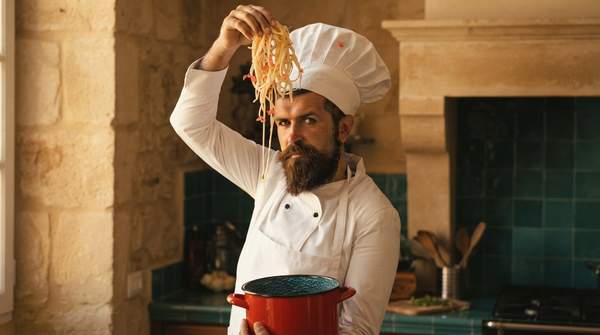
Writing for The Chef's Tours, chef Karl Wilder describes the format plainly: "You'll work alongside professionals in their kitchens, learning knife skills, flavour balancing, and presentation methods passed through generations." That phrase—passed through generations—is the heart of it. You're not just cooking; you're receiving technique and tradition from someone who cooks these dishes as a matter of course.
These programs suit home cooks and aspiring chefs alike, offering, in Kurtz's words, "an opportunity to sharpen your skills and deepen your culinary knowledge." The typical arc is structured: instruction, practice, and then a payoff that's rare in travel—the meal you actually prepared. As Wilder notes, these experiences "often conclude with enjoying the meal you've prepared, creating both skill development and social connection." You eat your own homework, and you eat it with the people who taught you.
Market-to-Table Tours: Exploring Local Food Ecosystems
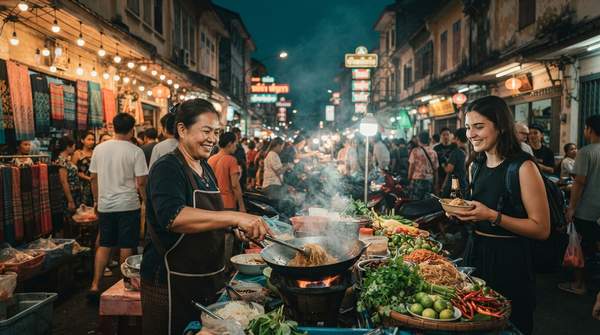
Where a class starts in the kitchen, a market tour starts well upstream of it. Per Wilder, these tours "immerse you in the ingredient selection process that forms the foundation of regional cuisine." With a chef as your guide, you walk the stalls discovering seasonal produce, unusual spices, artisan cheeses, and fresh seafood—while learning how locals shop and what they prioritize. That's the difference in a sentence: a class teaches you how a dish is made; a market teaches you why it's made that way.
The format doesn't stop at shopping, though. Many market tours, Wilder notes, include cooking demonstrations or meals prepared with the ingredients you've just gathered, which is why the "to-table" half of the name matters. Kurtz captures the sensory pull of this world—the "vibrant colors of exotic spices in a bustling Moroccan market"—and the deeper one: these journeys connect you with the community's daily food life, not just its restaurant culture. You meet vendors. You learn what's in season and why.
Decision Framework: Choosing Your Culinary Journey
The table below contrasts the two formats across four dimensions drawn from how operators and travel writers actually describe them. Read down the columns to see each experience as a whole; read across the rows to isolate the dimension that matters most to you.
| Dimension | Hands-On Cooking Class | Market-to-Table Tour |
|---|---|---|
| Primary Focus | Learning and mastering specific culinary techniques and traditional recipes. | Understanding the local food ecosystem from ingredient sourcing through to the meal. |
| Key Activities | Working alongside professionals in their kitchens; preparing dishes; concluding with a shared meal. | Walking markets with a chef guide; discovering seasonal produce, spices, cheeses, and seafood; learning how locals shop. |
| Skill Development | Knife skills, flavor balancing, presentation methods, and recipe execution you can take home. | Ingredient selection, knowing local produce, and turning market finds into dishes—many tours add a cooking demonstration or meal. |
| Cultural Immersion Type | Shared culinary practice and social connection over a meal you prepared together. | Engagement with vendors and the community's shopping traditions, then the food scene from source to plate. |
Notice the trade-off in the Skill Development row: the class optimizes for technique you can replicate in your own kitchen next month, while the tour optimizes for judgment—recognizing good produce, understanding seasonality, seeing how a cuisine is assembled before it's cooked. Neither is a lesser version of the other.
Choosing Your Culinary Adventure: What's Your Travel Style?
Now use the framework against your own goals. Ask yourself one question first: do you want to come home able to make something, or able to understand something? If the answer is the former—if you picture yourself recreating that pasta or that mole in your own kitchen—choose the cooking class. Its skills are portable by design: knife technique and flavor balancing travel with you in a way that a Marrakech souk cannot.
If the answer is the latter, choose the market tour. Wilder's guidance on matching formats to "learning style and interaction preferences" applies directly here: the tour suits travelers energized by browsing, bargaining, and conversation with vendors—the shopping culture itself as the attraction. Many tours blur the line by ending in a cooking demonstration, so if you want both but only have one slot, a market-to-table tour with a cooking component is the pragmatic middle path.
One vetting note that Wilder stresses regardless of format: read recent reviews for specifics—chef knowledge, venue quality, and group size reveal more than generic praise. Vague descriptions and hidden fees, he warns, often signal tourist traps. That diligence matters more than the class-versus-tour choice itself, because a well-run version of either beats a poorly-run version of both.
Making Your Choice: A Culinary Path for Every Traveler
To put the decision in one line: travelers should choose a hands-on cooking class if their primary goal is to learn specific culinary skills and traditional recipes, or a market-to-table tour if they prioritize understanding the local food system and engaging with community food culture from source to plate. Both will feed you; only one will fit the traveler you actually are on this particular trip.
How will you know you chose well? The traveler's satisfaction with their chosen experience, measured by whether it met their expectations for skill development or cultural immersion. Before booking, write down which of those two you'd be disappointed to miss—the answer is your decision, already made.