Searches for the Hugo Spritz have doubled year on year, and orders in UK bars have nearly tripled in the three months to the end of June, according to Country and Town House. The Hugo Spritz has overtaken the Aperol Spritz in Google Trends UK searches, averaging approximately 3.6 percent higher. This rapid ascent of a simple, refreshing cocktail signals a significant shift in consumer preferences for summer beverages, dethroning a long-standing favorite.
Established summer drink traditions face challenges from rapid shifts in consumer preference. The industry responds with both simplified, viral sensations and complex, innovative offerings.
Based on the rapid adoption of new drink trends and the diversification of consumer tastes, the beverage industry will likely continue to see accelerated innovation and a need for quick adaptation to stay relevant for popular summer drinks in 2026.
What are the Top Summer Cocktail Trends for 2026?
- Tequila sales have soared 50 percent year on year, and margarita sales have jumped 75 percent, according to Country and Town House.
- UK Google searches for 'simple spicy margarita recipe' climbed by 350 percent between May 2024 and May 2026, according to Country and Town House.
The surge in tequila and margarita popularity indicates a strong consumer demand for vibrant, spirit-forward cocktails, often with a modern twist. The 350 percent jump in searches for 'simple spicy margarita recipe' reveals that even booming categories like tequila are being reshaped by a consumer demand for approachable customization, forcing brands to offer adaptable, easy-to-replicate variations rather than just traditional formulations.
What New Flavors are Emerging in 2026 Cocktails?
Starbucks introduced an Iced Ube Coconut Macchiato and Ube Coconut Cream Cold Foam as part of its 2026 spring menu, according to The Food Institute. NYC-based Little Big launched a cocktail called Carrot featuring gin, a white Negroni, carrot juice, and cilantro, according to The Food Institute.
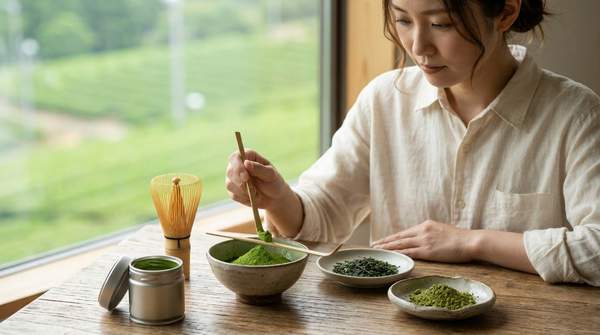
This suggests a growing consumer appetite for novel and unexpected flavor experiences, drawing inspiration from diverse culinary traditions and non-traditional ingredients. The bifurcated innovation seen in Starbucks' mass-market Ube drinks and Little Big's artisanal Carrot cocktail signals a critical choice for beverage companies: either pursue broad, visually-driven trends for viral adoption or cater to a sophisticated, niche market craving complex, unique flavor profiles, as the middle ground erodes.
What Makes the Hugo Spritz a Popular Summer Drink?
The Hugo Spritz recipe calls for 1 1/2 oz St-Germain, 2 oz sparkling wine, and 2 oz sparkling water, according to stgermainliqueur. Its simplicity, light alcohol content, and refreshing profile are key to its widespread adoption and ease of preparation, aligning with a desire for less heavy drinks.
Companies clinging to the 'classic' status of drinks like the Aperol Spritz underestimate the power of social media virality and recipe simplicity. The Hugo Spritz's rapid ascent proves that effortless visual appeal now trumps established heritage in driving summer cocktail trends.
What are the Emerging Cocktail Trends for 2026?
Waitrose's ready-to-drink category is up by 11 percent, with canned sparkling wine sales up by 70 percent and canned rosé wine up by 23 percent, according to Country and Town House. The strong growth in the ready-to-drink market signals a future where convenience and quality pre-mixed options will play an increasingly significant role in meeting consumer demand for on-the-go enjoyment.
This trend reinforces the demand for simple, accessible summer drinks. The continued 11 percent growth in Waitrose's ready-to-drink category by late 2026 indicates that beverage companies must prioritize both convenience and visual appeal to capture market share, or risk losing out to agile competitors, according to Country and Town House.
Your Top Questions Answered
What non-alcoholic summer drinks will be popular in 2026?
Beyond the Starbucks Ube offerings, consumers are increasingly seeking sophisticated non-alcoholic options that mimic complex cocktails. Brands are developing alcohol-free spirits and ready-to-drink mocktails featuring botanicals, adaptogens, and unique flavor combinations, such as spiced pear or cucumber-mint infusions, catering to health-conscious consumers and those seeking alternatives.
What makes a cocktail 'social media viral'?
A cocktail becomes social media viral primarily through its visual appeal and ease of replication. Bright colors, garnishes like edible flowers or unique glassware, and simple ingredient lists that home mixologists can easily follow contribute significantly. The Hugo Spritz, with its pale green hue and mint garnish, offers a prime example of a visually distinct and uncomplicated drink that performs well on platforms like Instagram and TikTok.
How do consumer preferences for 'lightness' conflict with rising tequila sales?
While lighter drinks like the Hugo Spritz gain traction, the simultaneous surge in tequila sales, up 50 percent, and margarita sales, up 75 percent, indicates a nuanced consumer preference. Consumers are not solely seeking low-alcohol options; they also crave bold flavors and established classics. The demand for 'simple spicy margarita recipes' suggests a desire for customizable, accessible twists on stronger drinks, balancing flavor intensity with a perceived ease of preparation rather than strictly prioritizing lightness.