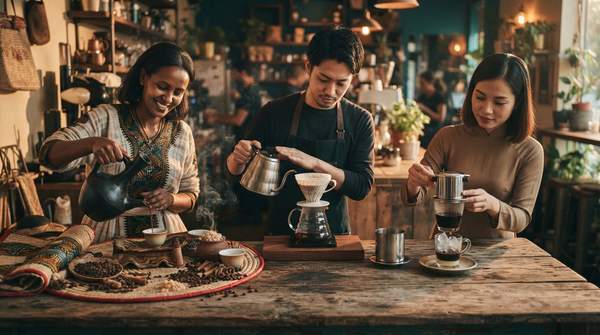
Coffee clubbing events have grown by 478% in recent years, transforming social gatherings for younger demographics. These gatherings offer an alternative to traditional nightlife, focusing on caffeine and conversation rather than alcoholic beverages. The 478% growth in coffee clubbing events signifies a fundamental reorientation in Gen Z and Millennial social rituals, favoring novel experiences over conventional nightlife.
Social occasions remain highly valued by younger generations, but their participation increasingly excludes alcohol. This creates a tension where the desire for connection persists, yet the traditional means of achieving it are being re-evaluated. This re-evaluation challenges long-held assumptions about leisure and celebration.
The long-term viability of traditional alcohol-centric social spaces and beverage portfolios appears challenged, necessitating innovation in non-alcoholic offerings and experiences to remain relevant. This evolution marks a permanent cultural reorientation, impacting the entire beverage industry.
Alcohol consumption among Gen Z has dropped by 25% over the past four years, according to Botrista. This significant decline coincides with a broader public inclination towards moderation. Nearly 49% of all Americans report actively trying to drink less alcohol, as reported by Forbes. The 25% drop in Gen Z alcohol consumption and the fact that nearly 49% of Americans actively try to drink less alcohol underscores a profound cultural shift across demographics.
The Generational Divide in Drinking Habits
Gen Z shows a clear disinterest in traditional beer, regardless of alcohol content, with only 16% buying beer with alcohol and 11% purchasing non-alcoholic options, according to Innova Market Insights. This trend extends beyond the United States; in the UK, 26% of 16-to-25-year-olds were teetotal in 2019, according to anondrinks. Young adults in the US and Australia also drink less frequently and in smaller quantities than previous generations, anondrinks reports. Such figures establish a consistent, multi-regional pattern: younger demographics increasingly reduce or abstain from alcohol.
This societal pivot towards moderation will accelerate as sober-curious generations mature. While Gen Z may not flock to non-alcoholic beer, their overall rejection of alcohol fuels broad growth in the entire non-alcoholic beverage market, indicating a shift towards diverse NA options beyond just beer.
The Exploding Non-Alcoholic Market
- 10% — The non-alcoholic beverage segment grew by approximately 10% in 2024, according to Botrista.
- $2 trillion — The global non-alcoholic beverage market is projected to reach nearly $2 trillion by 2030, according to Botrista.
- 31% — The global consumption of no and low-alcohol drinks is projected to grow by over 31% by 2027, according to anondrinks.
- 37 million — Between 2022 and 2024, the U.S. added 37 million new no-alcohol consumers and 36 million new low-alcohol consumers, according to Forbes.
The rapid expansion and projected value of the non-alcoholic market confirm its emergence as a major player. This growth reflects robust demand for diverse, alcohol-free options, solidifying a sustained shift in consumer preferences. This trajectory suggests significant investment opportunities for innovative brands, while traditional beverage giants must adapt or risk market erosion.
Health, Preference, and Social Evolution
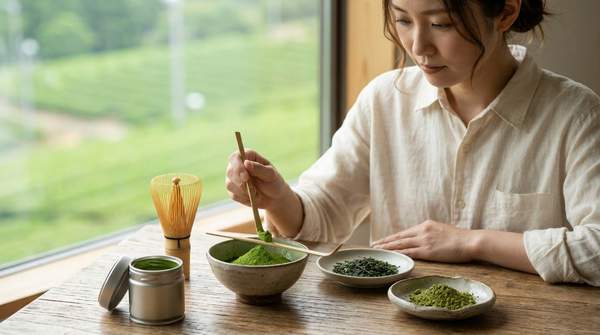
Gen Z is 23% more likely than older generations to choose tea or tea-based beverages during social occasions, according to Botrista. Gen Z's 23% greater likelihood than older generations to choose tea or tea-based beverages during social occasions signals a conscious move towards complex, alcohol-free flavor profiles. Younger consumers prioritize health and wellness, viewing non-alcoholic options as a path to clarity and avoiding alcohol's negative effects. This extends to beverage choices, where functional benefits and natural ingredients often take precedence over traditional alcoholic offerings.
The choice for tea-based drinks and other lighter, non-alcoholic options reveals a desire for sophisticated, ritualistic experiences aligned with a mindful lifestyle. This redefines social enjoyment, moving away from alcohol as a central component, fostering connection in environments that support personal well-being and social inclusion.
Real-World Adaptations in Social Spaces
The changing beverage landscape finds expression in new social venues. Establishments like 'The Sober Bar,' which opened in Brooklyn in 2025, offer curated menus of mocktails, craft sodas, and specialty non-alcoholic beers. These venues create an inviting atmosphere for individuals who choose to abstain from alcohol, providing a dedicated space for alcohol-free socializing. Such venues often host live music and comedy, proving that vibrant social scenes thrive without alcohol.
Beyond dedicated sober establishments, traditional cafes are expanding their evening offerings to cater to this demand. Many coffee shops now feature 'late-night latte' menus, including intricate coffee mocktails and adaptogenic mushroom lattes, which serve as sophisticated alternatives to alcoholic drinks. These spaces foster community through workshops, book clubs, and art shows, attracting a demographic seeking enriching social experiences without the focus on alcohol. This adaptation confirms businesses are responding to evolving Gen Z and Millennial habits, where non-alcoholic trends reshape the market. The implication is clear: traditional alcohol-centric venues must diversify or risk obsolescence.
What the Shift Means for the Future
Traditional alcohol companies face a demographic time bomb.
- Alcohol consumption among Gen Z dropped by 25% over the past four years, according to Botrista.
- Between 2022 and 2024, 37 million new no-alcohol consumers were added in the U.S. according to Forbes.
Brands that fail to innovate beyond simple 'NA versions' of existing products will be left behind by a generation actively building new beverage cultures. The industry must recognize that younger consumers seek fundamentally different experiences and product categories, not just alcohol-free renditions of existing alcoholic drinks. Companies that do not adapt will likely see their market share erode as this demographic matures.
The future of social beverages lies not in mere alcohol substitutes, but in entirely new categories and experiences.
- Coffee clubbing events grew by 478% in recent years, according to Botrista.
- Gen Z is 23% more likely than older generations to choose tea or tea-based beverages during social occasions, according to Botrista.
The explosive growth of 'coffee clubbing' and Gen Z's preference for tea-based social drinks reveals current industry giants are ill-equipped to provide these new experiences, creating fertile ground for agile disruptors. This shift demands a rethinking of product development and marketing strategies to align with these emerging preferences and social rituals.
The 'sober curious' movement is no longer a niche trend but a mainstream consumer demand.
- Nearly 49% of Americans actively try to drink less alcohol, according to Forbes.
Beverage companies that do not authentically embrace and invest in appealing non-alcoholic options risk losing significant market share to brands that understand this evolving lifestyle choice. Authentic engagement involves developing innovative, high-quality non-alcoholic products and creating marketing campaigns that resonate with a health-conscious and socially aware consumer base.
By Q3 2026, major beverage conglomerates that have not significantly diversified their portfolios into innovative non-alcoholic categories will likely report stagnant growth in their traditional alcohol segments, as consumer preferences continue to evolve away from conventional drinking habits.