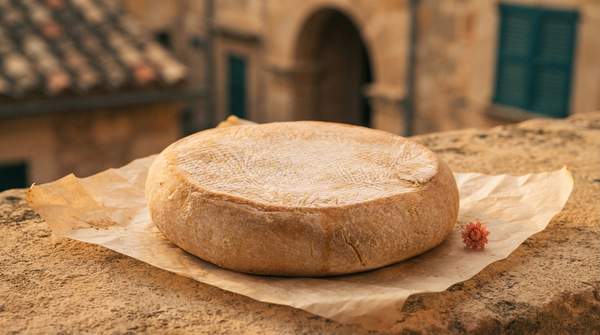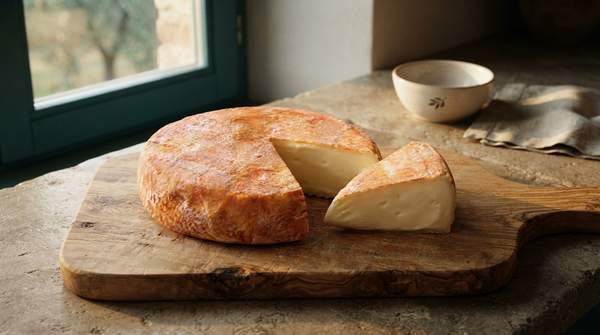
A washed-rind cheese is defined by one deceptively simple act: during aging, the young cheese's surface is repeatedly rinsed with a liquid—classically brine or seawater, but also beer, wine, cider or liquor. That rinse does two things at once. It suppresses the molds that would otherwise bloom across the rind, and it invites a particular bacterium, Brevibacterium linens, to take over. That microbe is the reason these cheeses smell like a locker room and glow a sticky reddish-orange.
The stinkiest washed-rind cheeses are rinsed down roughly twice a week with seawater, beer, wine or liquor for about two months, according to an explainer from HowStuffWorks, which credits the practice to monks who wanted to keep mold from growing on their cheese. By washing with brine or beer, they not only killed the mold but promoted the growth of B. linens. What began as medieval housekeeping became one of the most distinctive categories in cheesemaking.
The Distinctive World of Washed-Rind Cheeses
Walk past a washed-rind wheel and you'll know it before you see it. Limburger, the category's most famous—and most defamed—representative, packs an aroma that one writer memorably compares to old sneakers, and that comparison is not a coincidence. The washed-rind family is responsible for some of the biggest stinkers in the cheese world precisely because the washing technique selects for microbes that produce powerful smells.
But the category isn't defined by smell alone. What unites these cheeses is the environment their makers deliberately build around them. The Courtyard Dairy, a British cheesemonger that classifies cheeses by how they are made, notes that washed-rind cheeses generally need a more humid, higher-temperature environment—with ammonia present—for the characteristic "orange-bacteria" to grow. In other words, the wash is only half the story. The aging room itself is tuned to favor the very microbes the wash encourages.
That's the elegant trick of the whole tradition: the cheesemaker doesn't add the orange color or the pungency directly. Instead, they set conditions under which B. linens outcompetes everything else, and the bacterium does the rest. The rind you see and the aroma you smell are the visible and nasal evidence of a microbial victory.
The Microbiological Magic: How Washes Create Pungent Rinds
Let's trace the cause and effect. A young cheese, fresh from the vat and the press, has a moist, unprotected surface—an open invitation for airborne molds. Left alone in a cave, that surface would likely develop the fuzzy white coat of a bloomy rind or the dusting of a natural rind. The wash interrupts that trajectory. Rinsing the surface with brine or another liquid kills and inhibits the mold, clearing the field.
Into that cleared field steps Brevibacterium linens. The bacterium thrives in exactly the conditions the washing creates: a damp surface, repeatedly replenished, inside a humid and warm aging environment where ammonia is present. As it colonizes the rind, it produces the pigments that give washed-rind cheeses their signature reddish-orange hue, and the compounds behind their famously pungent aroma.
This is why the washing schedule matters. Twice-weekly washes over roughly two months aren't a flavoring step in the ordinary sense—they're a sustained act of microbial management. Each rinse reinforces the environment that keeps mold at bay and keeps B. linens flourishing. Stop washing, and the balance tips; the molds return, and the orange rind fades. The cheesemaker is, in effect, a landlord deciding which tenants stay.
Common Wash Liquids and Their Influence
The classic washes fall into a few broad families, and each carries its own tradition:
- Brine and seawater. The original monk's solution—salt water inhibits mold while conditioning the rind. It remains the backbone of the technique.
- Beer. One of the liquids the monks themselves reportedly used, and still a standard choice for its mold-suppressing wash and the moist surface it leaves behind.
- Wine. A wash with regional roots; the HowStuffWorks explainer lists it alongside beer and liquor as a standard rinsing liquid for the stinkiest washed rinds.
- Liquor and spirits. The strongest of the alcoholic washes, used the same way—repeatedly, over weeks—to steer the rind's microbial population.
Alcohol and cheese have grown even friendlier in recent years. "In the last five years, I have definitely seen an upward trend in the incorporation of wine, beer, cider and spirits with cheeses," cheesemonger Treloar told The Cheese Professor, framing the pairing of local cheeses and local alcohol as a way to showcase regional terroir. It's worth keeping the categories straight, though: not every "boozy" cheese is a washed rind. Some are soaked or infused rather than washed. Drunken Goat from Murcia, Spain, for instance, is bathed in the regional Doble Pasta wine made from the Monastrell grape, and over its 60-day aging the rind takes on a purple color while the paste develops a fruity, earthy flavor—a wine treatment producing a very different rind than the orange of a classic wash.
One honest limitation: the evidence here explains the shared mechanism, not a detailed chemistry comparison of how a beer wash differs, compound by compound, from a wine wash. The liquids all serve the same primary function—mold control and surface conditioning—and the specific flavor contributions of each alcohol are a subtler question than the sources here settle.
The Washed-Rind Transformation: A Microbiological Flow
Here is the whole sequence in one place, so you can trace how a cheesemaker's rinse becomes an aroma you can smell across the room:
- The young cheese. A fresh wheel begins aging with a moist, unprotected surface vulnerable to molds.
- The wash is applied. The rind is rinsed—typically about twice a week for roughly two months—with brine, seawater, beer, wine or liquor.
- Mold is suppressed. The washing kills and inhibits the undesirable molds that would otherwise colonize the surface.
- Brevibacterium linens takes over. With mold cleared and the surface kept damp in a humid, warm, ammonia-bearing aging room, the "orange-bacteria" flourishes.
- The rind transforms. B. linens produces the reddish-orange pigments and the pungent, sweaty aroma—the hallmarks of the category, from Limburger on down.
Every step is a cause with a visible effect: no wash, no cleared field; no humid warmth, no B. linens; no B. linens, no orange rind and no stink. The liquid varies; the biology doesn't.
Appreciating Washed-Rind Cheeses
When you encounter a washed-rind cheese, recognize that its distinctive aroma and color are the result of a deliberate microbiological process driven by specific wash liquids—brine or seawater, beer, wine or liquor—applied repeatedly to suppress mold and cultivate Brevibacterium linens. The telltale signs are easy to check: the presence of a reddish-orange rind and a pungent aroma on a cheese. See the orange, catch the whiff, and you're looking at months of managed microbial succession—monks' housekeeping turned into one of cheesemaking's most characterful traditions.
Sources
- Recipes
- Different Cheese Types, part one – Classifying cheese by how it is made. — The Courtyard Dairy
- Boozy Cheeses Are an Old Trend That is New Again — The Cheese Professor