Jiaozi: The Quintessential Northern Dumpling
*Jiaozi* are perhaps the most iconic representation of Northern Chinese dumpling traditions. As mentioned, they are believed to be the origin of Chinese dumplings as we know them. Typically made with a wheat-based dough, *jiaozi* are often filled with a savory mixture of pork and cabbage or green onion.
These dumplings are most commonly boiled or steamed, resulting in a tender, chewy wrapper and a juicy filling. They are frequently served with a dipping sauce, often a simple blend of soy sauce, vinegar, and garlic. Beyond their delicious taste, *jiaozi* carry deep cultural weight, particularly during the Chinese New Year and Winter Solstice, where their ingot-like shape is a potent symbol of wealth and good fortune for the coming year.
Har Gow and Xiao Long Bao: Southern Culinary Artistry
Southern China boasts a range of exquisite dumplings, with *Har Gow* and *Xiao Long Bao* standing out as prime examples of its culinary artistry.
* Har Gow: These delicate Cantonese dumplings are a staple of dim sum. They are instantly recognizable by their translucent, pleated wrappers, which are typically made from a combination of wheat starch and tapioca starch. The characteristic filling is fresh shrimp, often seasoned with bamboo shoots and pork fat, offering a sweet and savory bite. *Har Gow* are almost exclusively steamed, which preserves the wrapper's delicate texture and the filling's succulence.
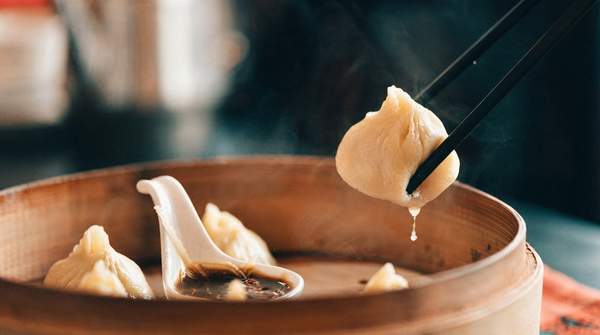
* Xiao Long Bao: Hailing from Shanghai, *Xiao Long Bao* are renowned as "soup dumplings." Their thin, wheat-flour wrappers encase a savory pork filling and, crucially, a gelatinized broth that melts into a rich soup when steamed. The art of eating *Xiao Long Bao* involves carefully lifting the dumpling, taking a small bite to release the steam, and then sipping the hot, flavorful broth before consuming the rest. These are typically steamed in bamboo baskets, allowing the delicate wrappers to cook perfectly without breaking.
Tangyuan: A Symbol of Unity Across China
While many dumplings are savory, *Tangyuan* offers a sweet counterpoint, holding a unique place in Chinese culinary traditions, particularly in the South. These spherical dumplings are made from glutinous rice flour, giving them a distinctly chewy and sticky texture, which contrasts sharply with the wheat-flour doughs of Northern *jiaozi*.
*Tangyuan* are often filled with sweet pastes such as black sesame, red bean, or peanut, though plain versions are also common. They are typically boiled in water until tender and then served immediately in a sweet soup or syrup, often flavored with sugar and ginger.
Culturally, *Tangyuan* are deeply associated with festivals and holidays, especially the Lantern Festival and the Winter Solstice, and are eaten during celebrations with close friends and family. Their round shape symbolizes completeness, unity, and family reunion, making them a cherished dish that brings people together. While more prevalent in the South as a celebratory food for the New Year, their symbolism of unity resonates across China.
The journey through Chinese dumpling traditions reveals a culinary landscape as diverse as the country itself. From the historical roots of *jiaozi* to the regional distinctions in dough, fillings, and cooking methods, each dumpling tells a story of local ingredients, cultural exchange, and enduring family values. Whether you're savoring a hearty Northern *jiaozi* or a delicate Southern *har gow*, you're partaking in a rich heritage that continues to evolve and delight.