How to Plan Solo Culinary Journeys for Introverts

Single-person bookings for international culinary workshops have surged by 40% in the last five years, according to the Culinary Travel Trends Report .

TC
Taya Chayton

June 4, 2026 · 4 min read

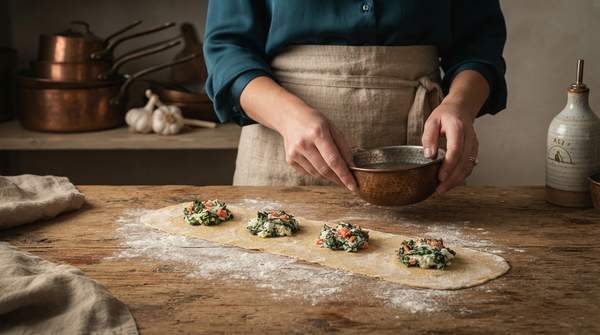
An introvert enjoys a solo culinary journey, focusing on preparing a local dish in a charming trattoria.

Single-person bookings for international culinary workshops have surged by 40% in the last five years, according to the Culinary Travel Trends Report. This quiet revolution reveals travelers increasingly savoring new flavors and cultures on their own terms. While many perceive culinary journeys as inherently social, best enjoyed with companions, for introverts, solo paths often forge more profound and authentic connections. A study by the Introvert Travel Institute found 68% of introverts reported deeper local connections when traveling solo. Furthermore, solo travelers invest 15% more in unique culinary experiences like cooking classes or private food tours, notes the Global Food Tourism Association. This commitment to individual exploration, paired with reported satisfaction, positions solo culinary travel as a premier avenue for introverts to achieve both cultural immersion and personal rejuvenation, directly challenging conventional wisdom.

Why Solo Culinary Travel Suits Introverts

For introverts, the structured environment of a cooking class or guided food tour offers a comfortable social framework, minimizing pressure for constant conversation, according to Psychology of Travel. This allows engagement without the exhaustion of unstructured demands. Research in the Journal of Personality and Social Psychology reveals introverts often process experiences more deeply when alone, leading to richer memories of flavors and cultural encounters. The sensory focus of culinary experiences—taste, smell, texture—provides a grounding, absorbing activity that naturally minimizes social pressure, reports the Mindful Travel Blog. This undivided attention fosters a deeper appreciation for local culture and ingredients, notes Cultural Immersion Studies. Thus, culinary journeys transform potential anxieties into opportunities for profound engagement, allowing introverts to truly connect with a place.

Planning Your Palate Pilgrimage

Solo culinary trips typically span 7-10 days, offering ample time for both immersive experiences and quiet reflection, according to the Solo Travel Alliance. Introverts thrive by planning key activities while reserving significant blocks for unplanned discoveries or recharging, suggests Mindful Traveler. This balance prevents overstimulation. Food-focused apps like 'Eatwith' or 'LocalBites' allow pre-screening of dining companions, easing social anxiety, reports Travel Tech Review. The rise of personalized travel planning services further caters to introverts seeking tailored, low-stress culinary itineraries, notes Luxury Travel Advisor. Such strategic planning, balancing structured engagement with essential downtime, is paramount for introverts to maximize enjoyment and minimize stress.

Navigating Solo Culinary Challenges

A common pitfall for solo introverts is over-scheduling, warns the Solo Traveler's Handbook, leading to burnout and missed spontaneous discoveries. Another frequent concern, dining alone, is often unfounded; 80% of restaurant staff are accustomed to solo diners and often offer personalized service, according to Restaurant Industry Insights. A Post-Trip Survey by Solo Adventures revealed the biggest regret for solo introverts is often neglecting spontaneous exploration or quiet reflection. Proactively addressing these stressors—over-commitment or dining anxiety—transforms potential pitfalls into opportunities for growth and enjoyment, enriching the journey.

Insider Tips for Solo Food Journeys

Accommodations with kitchenettes or communal dining areas can significantly enhance an introvert's comfort and control over social interaction, according to a Hostelworld Survey, allowing flexible meal preparation and optional engagement. Budgeting for a few 'splurge' meals or private tours often proves more fulfilling than many mediocre group activities, advises the Frugal Traveler's Guide. Packing noise-canceling headphones and a good book creates essential personal space in bustling environments, notes the Introvert's Guide to Travel. Learning basic food-related phrases in the local language can dramatically boost confidence, reports Language Learning for Travelers. These small, intentional choices regarding accommodation, budget, and personal preparation can profoundly elevate the solo culinary experience.

Your Solo Culinary Travel Questions Answered

What if I get lonely?

Most solo introverts report feelings of solitude, not loneliness, which they often find rejuvenating, according to Travel Psychology Quarterly. This distinction highlights a preference for quiet reflection over constant social interaction, often leading to personal growth.

Is it safe to eat street food alone?

Yes, eating street food alone is generally safe with proper research on reputable vendors and by observing local hygiene practices, advises Food Safety International. Prioritize popular stalls with high turnover and visible cooking processes.

How do I meet people if I want to?

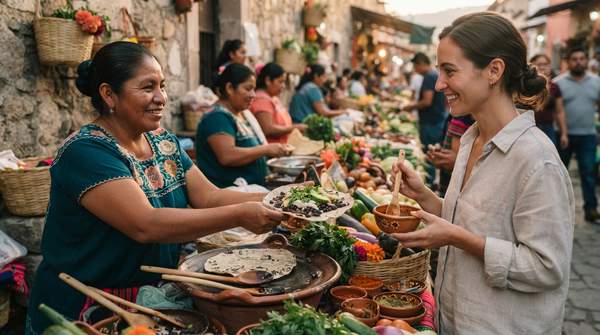
Cooking classes, food markets, and specialized tasting tours are natural social hubs, offering engagement without forced interaction, as suggested by Lonely Planet. These environments allow shared passions to spark organic connections.

What if I don't speak the language?

Many culinary experiences are visual and experiential, transcending language barriers, as shown in the Global Kitchens Documentary. Pointing to menu items or using translation apps can facilitate ordering, making communication manageable and enjoyable.

Savoring the Solo Path to Self-Discovery

A survey of solo culinary travelers revealed 75% felt more confident navigating new cities after successfully ordering meals and interacting with local vendors alone, according to Wanderlust Magazine. This directly fuels personal growth. A separate study found 92% of introverts who traveled solo for culinary purposes reported a significant boost in self-reliance and decision-making skills, as reported by the Personal Growth Institute. These experiences affirm the profound impact of independent exploration. For many introverts, the shared passion for food in a culinary setting creates immediate, low-pressure common ground for interaction, notes Social Dynamics of Food. Solo culinary travel, far from a niche, is emerging as a powerful pathway for introverts to achieve profound personal and cultural enrichment, according to the Future of Travel Report, redefining how authentic connection is achieved.

The 40% increase in single-person bookings for international culinary workshops signals a significant, overlooked market shift. Travel companies are missing a crucial opportunity by not tailoring experiences specifically for solo, introverted culinary explorers. By Q3 2026, specialized travel platforms like Outsider Odyssey could see a 25% increase in tailored solo culinary packages if they actively market to introverted travelers, leveraging the proven desire for deep, individual cultural immersion.