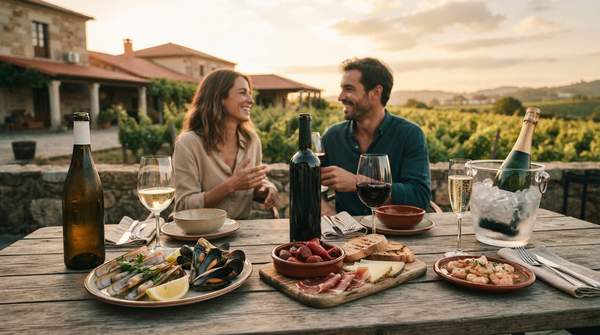
Classic Spanish pairings succeed because local wines evolved alongside the dishes they accompany: Albariño with Galician seafood, Ribera del Duero Tempranillo with roasted lamb, and Catalan Cava with paella. Understanding the principles behind these combinations lets you pair with confidence rather than memorization.
Introduction to Spanish Wine and Food Pairing
The foundation of any good pairing, according to Cellar Tours' guide to Spanish food and wine matching, is balance: the intensity of the dish should harmonize with the intensity of the wine, which is largely determined by the wine's "body"—its weight and texture on the palate, from light and crisp to rich and full-bodied. A wine that complements rather than overpowers the dish elevates both.
Chef Karl Wilder, writing for The Chef's Tours, frames the Spanish case more specifically: the key to successful pairing is recognizing how local wines developed alongside regional cuisines, so that each classic combination reflects landscape, tradition and culinary heritage. His stated principles—matching wine intensity with food weight, honoring regional traditions, balancing acidity and flavor profiles, and choosing to complement or contrast a dish's characteristics—form the framework used throughout this guide.
Classic Spanish Regional Wine and Food Pairings
The table below gathers the scattered classic pairings into one regional framework, stating the principle at work in each case so the logic can be applied to similar dishes beyond those listed.
| Wine Region | Key Wine/Grape | Classic Regional Dish | Pairing Rationale |
|---|---|---|---|
| Galicia | Albariño | Seafood, including pulpo a la gallega (Galician-style octopus) | A light, sea-coastal white matches wine intensity with the delicate weight of seafood, honoring a coastal regional tradition. |
| Ribera del Duero | Tempranillo | Roasted lamb and cured meats | The wine's structure and fruit stand up to rich, weighty dishes, balancing intensity between plate and glass. |
| Catalonia | Cava (sparkling) | Paella and seafood dishes; briny olives and chilled seafood | Sparkling freshness complements festive, varied dishes and contrasts briny, savory flavors. |
| Jerez | Sherry | Tapas and traditional Spanish appetizers | A regional tradition pairing that matches the varied intensity of small, savory plates. |
Galicia: Albariño and the Bounty of the Sea
Galicia, on Spain's rainy Atlantic coast, is the home of Albariño, and the region's signature pairing points directly to the sea: seafood, with octopus a la gallega named as the classic example by Wilder. The logic follows the intensity-matching principle. Octopus a la gallega is a dish of tender boiled octopus dressed in olive oil and paprika—flavors with weight and savoriness, but not the heavy richness of roasted meat.
Albariño, as the Galician signature white, belongs to the same coastal tradition as the dish itself. Pairing a light white with seafood is a case of complementing rather than contrasting: the wine's character harmonizes with the dish's texture and seasoning without masking the delicate flavor of the octopus. That is the pattern to carry forward—when a dish is light but savory, reach for a wine of similar weight.
Ribera del Duero: Tempranillo's Robust Harmony
Ribera del Duero, in Castile, is known for its Tempranillo, and the classic pairing is robust: roasted lamb and cured meats. Here the operative principle is the reverse of Galicia's. Roasted lamb is one of the heaviest, richest preparations in Spanish cooking, and Wilder's guidance to match intensity with weight means the wine must bring its own structure and fruit to the table.
Ribera y Rueda, the organization representing the Ribera del Duero and Rueda wine regions, describes its regional Tempranillo as a natural companion to Spanish foods of many kinds—traditional stews from Madrid, paella, chorizo, Catalan sausage, and cheeses—along with Ibérico ham and Manchego. The through-line is that Tempranillo's intensity can meet hearty, savory dishes on equal footing. When a plate is rich, roasted or long-cooked, a full-bodied red from this region is the pattern to follow.
Catalonia: Cava's Festive Versatility
Catalonia's signature wine is Cava, the region's sparkling wine, and the traditional pairing is paella and seafood dishes, with Wilder also noting its suitability for briny olives and chilled seafood. The rationale is contrast as much as complement: bubbles and freshness cut through the varied, savory character of a paella and lift the brine of olives and shellfish.
This pairing also illustrates why Cava suits celebratory, shared food. A paella is a communal dish with many ingredients and flavors competing for attention; a sparkling wine offers refreshment between bites rather than competing with any single element. The takeaway for similar dishes—mixed rice dishes, shellfish platters, anything salty and festive—is that effervescence and acidity are valuable pairing tools.
Beyond Regions: Versatile Spanish Wines for Tapas
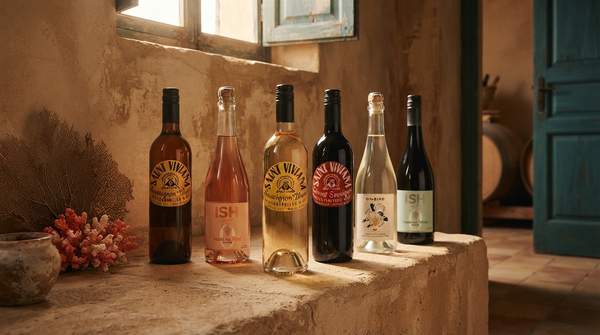
Not every meal maps neatly onto a single region. Tapas culture means many small, different dishes on one table, and two Spanish wine styles handle that variety with grace. The first is Tempranillo: according to Ribera y Rueda, Spanish foods of all kinds "find their way naturally with this regional Tempranillo," from stews and paella to chorizo, Catalan sausage, cheeses and cured ham. A red with that range is a safe single-bottle choice for a spread of shared plates.
The second is dry Garnacha-based rosé, which Wilder highlights for Mediterranean-style dishes—salty foods, olives, herbs—and describes as a divine pairing with Serrano ham and Manchego cheese, as well as aperitifs and lighter starters such as salads with fall fruits, salmon and poultry. He cautions, though, that rosé is not ideal for overly spicy or sweet dishes or strongly aged, funky cheeses, though he notes rosés can work with spicy Asian cuisines. When the table holds charcuterie, cured ham and cheese, a dry rosé bridges them all.
Confidently Pairing Spanish Wines
Readers can confidently select Spanish wines for traditional regional dishes by understanding the principles of balancing intensity, complementing flavors, and leveraging regional traditions—rather than memorizing lists. A light Albariño for delicate seafood, a structured Tempranillo for roasted lamb, a fresh Cava for paella, or a versatile rosé or Tempranillo for a tapas spread all follow the same logic.
This guide covers a few classic, widely recognized pairings rather than all of Spain's 138 wine regions, and the recommendations assume traditional preparations of each dish; for a particular vintage or producer, a sommelier's specific advice still adds value. The measurable test of these principles is straightforward: the next time you order pulpo a la gallega, roasted lamb, paella or a table of tapas, check whether the wine you chose by principle—rather than by memorized list—matches the dish's weight and character.